
.svg)
The hiring sequence for startups that prevents burnout without burning cash


If you’re a solo founder making $50K a month and thinking about your first hire, you may make a costly mistake. You might hire too early for a role you don’t understand. Or you might wait too long and drown in work you should have delegated months ago.
The hiring landscape shifted dramatically in 2025. GoodTime reports that 75% of companies conducted layoffs, the highest level in four years. The hiring rate fell from 4.5% in 2021 to 2.8% in 2025 (BambooHR). This isn't 2021 anymore. Aggressive headcount strategies are dead.
There's a specific hiring sequence for startups that prevents burnout without burning cash. It's the opposite of what most founders assume. They think product and engineering first. Reality is operations and fulfillment first.
Operations and fulfillment come first
Your first 1-2 hires should be operations and fulfillment roles. These directly protect revenue. Mistakes here compound into customer churn. Premature product hires burn cash without immediate return.
Companies that delay operations hires until they're drowning face 2-3x higher error rates in order fulfillment and inventory management. This directly impacts customer retention. Founders who hire product engineers before understanding their own roadmap waste 6-12 months on features nobody asked for.
I've seen DTC founders launch beauty brands with zero upfront investment using platforms like Blanka's private label model. They get to $30K/month in six months. Then they hire a Python developer to build custom inventory tracking. The developer costs $120K annually. The founder can't evaluate the code quality. The system ships eight months late. Meanwhile, fulfillment errors triple because nobody's managing the warehouse.
Operations mistakes are visible to customers immediately. A missed shipment, wrong product, or inventory gap shows up in your churn rate within 30 days. Product mistakes take months to surface. By then you've burned $50K-$100K on the wrong features.
Customer support is hire 3-4
Once operations is stable, when to hire first employee in customer support becomes clear. Support scales revenue retention and frees founder time for strategic work. But it only works after operations is solid.
Support teams hired before operations stabilization spend 60-70% of their time firefighting preventable issues rather than building customer relationships. Strategic support hiring after operations cleanup reduces ticket volume by 40% and improves NPS.
Hire support when you're spending more than 10 hours per week answering the same questions. Make sure operations is running smoothly enough that support isn't just apologizing for fulfillment errors. The role should focus on retention and customer education, not damage control.
Marketing execution comes after you validate the playbook
Marketing execution roles are hires 5-7. This is where most founders make startup hiring mistakes. They hire marketing strategists before validating channels themselves.
Founders who hire marketing strategists before proving channels can waste $50K to $100K. They often run tests that could cost only $5K to $10K. Execution hires in proven channels deliver 3-5x ROI when the founder has already cracked the strategy.
Here's the pattern I've seen work: founders run scrappy tests on email, paid social, and content for 3-6 months. Once they identify one channel producing consistent results, they hire an executor to scale that specific playbook. Not a strategist to figure it out for them.
If you're considering fractional vs full-time hiring for marketing roles, fractional specialists work well for strategy validation. Full-time executors win once you've proven the channel. The sequencing matters. GrowTal's research on marketing hire sequencing shows B2B companies lose 3-6 months. This happens when they hire leaders before validating their demand-gen playbook.
I watched a SaaS founder hire a full-time content marketer at $85K before writing a single blog post themselves. The founder couldn't brief the writer on what worked because nothing had been tested. Six months and $42K later, they had 24 blog posts with zero organic traffic. The founder finally spent two weeks testing headlines and topics themselves. They found one angle that worked. Only then could they hire an executor to scale it.
Engineering and product are the last additions
Engineering and product roles should be hires 8-10, unless you're a technical founder who can manage them. Hiring engineers you can't evaluate or manage is the fastest way to waste $200K+.
Non-technical founders who hire engineers too early often waste $150K to $250K. They build features that do not improve key metrics. Engineering hires make sense only after operations, support, and marketing are running smoothly. Then product improvements can be tested and measured.
The pattern holds: companies that hire engineers early without technical leadership end up rebuilding everything 12-18 months later. Companies that wait for clear product-market fit and a proven roadmap get 3 to 5 times more value. They get this value from their first engineering hire.
If you need technical work before Hire 8, consider a fractional CTO. Fractional CTO engagements compress deployment timelines. They can reduce timelines from 11–13 months to 2–3 months. This is faster than hiring full-time. You get the expertise to evaluate vendors and contractors without the $200K+ commitment.
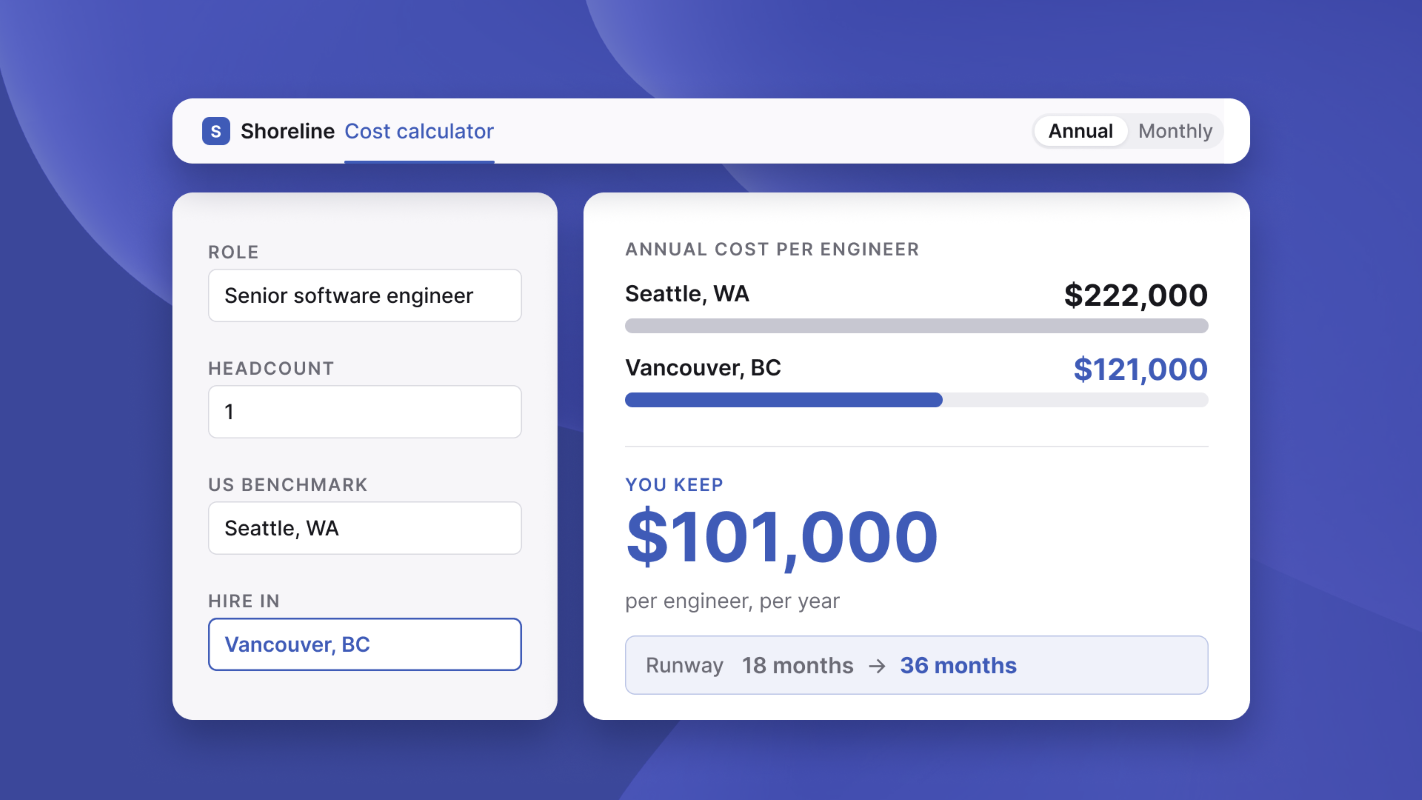
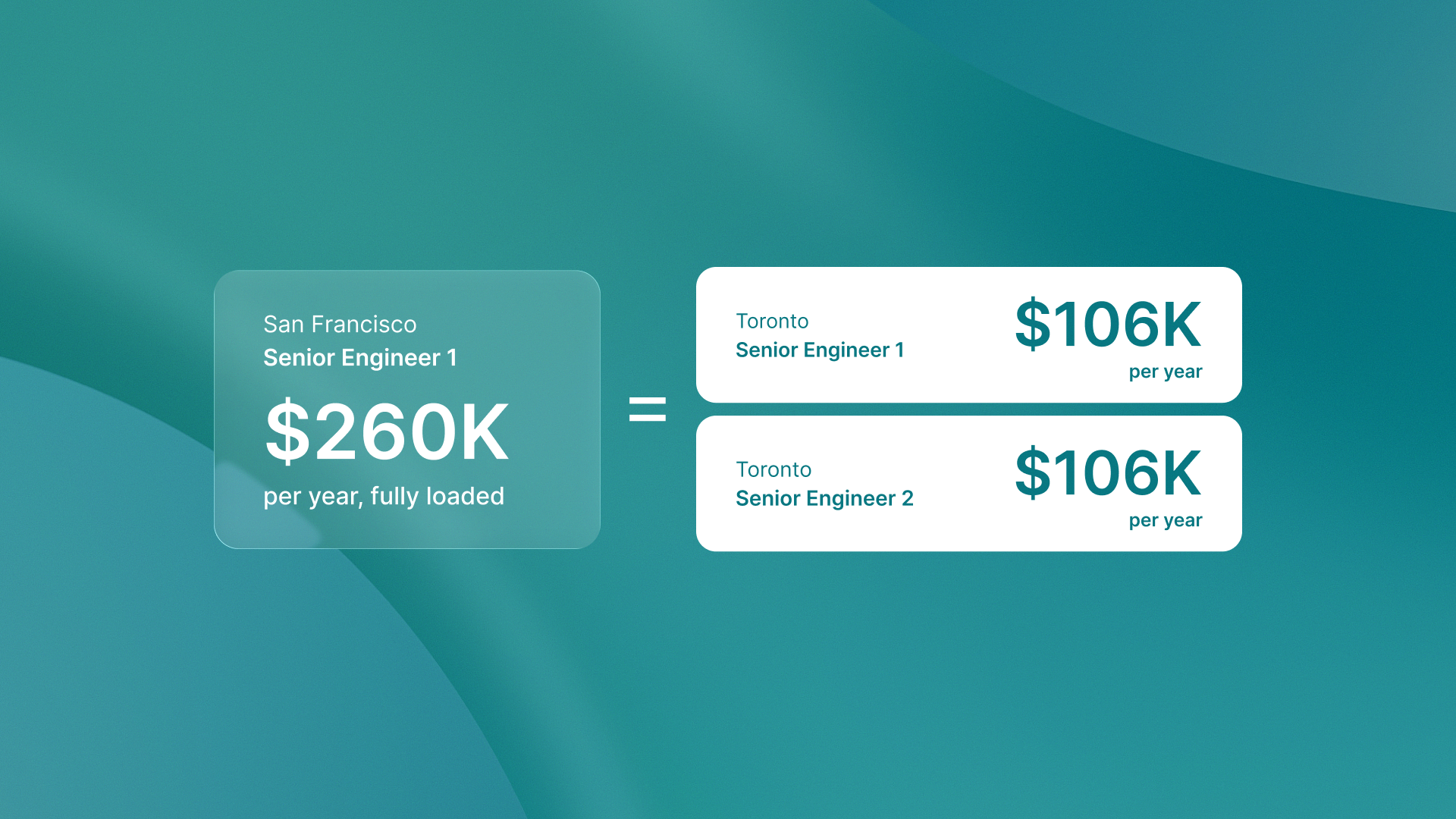
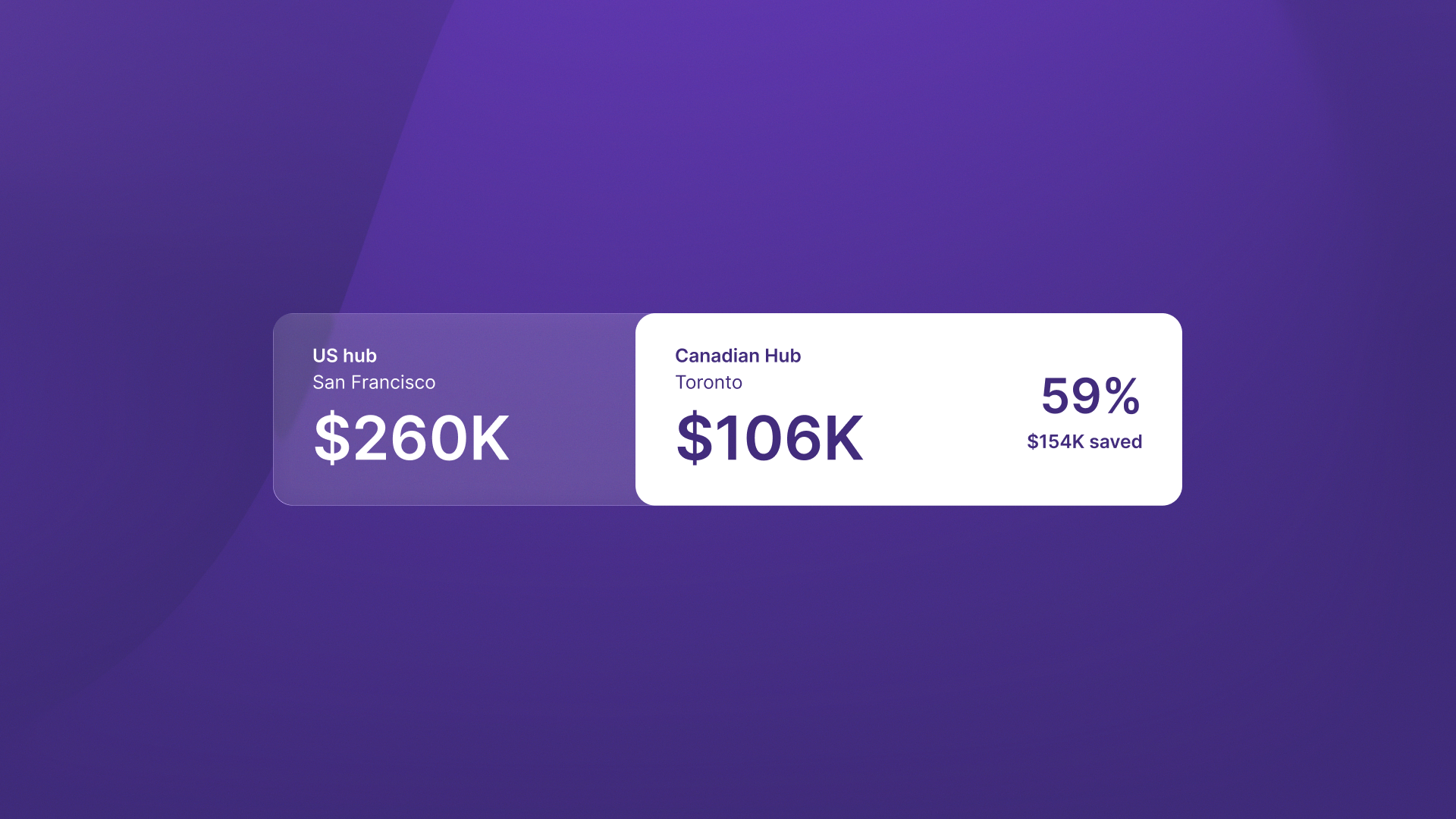
Consider nearshore options when you do hire engineering. Canadian developers cost 40-50% less than U.S. counterparts with same-day timezone overlap and cultural alignment that eliminate coordination overhead. A Toronto senior engineer at $106K delivers equivalent output to a San Francisco hire at $260K.
The real cost of hiring bottlenecks you ignore
Internal mobility rose from 51% of fills in 2021 to 62% in 2025 (BambooHR). This reflects a more cautious approach to external hiring. Your DTC founder hiring roadmap should match this reality.
Every hiring decision creates a bottleneck somewhere else:
- Hire engineering before operations and your fulfillment errors spike
- Hire marketing before support and your churn rate climbs
- The sequence determines whether the bottleneck compounds or resolves
I've seen founders delay QA hires until production bugs force their hand. QA flow's analysis shows the 3-6 month QA hiring lag creates $600K in hidden annual costs These costs come from lost developer productivity, context switching, and production incidents. But QA only makes sense after you have a product shipping regularly. Hiring QA at employee 3 when you're still validating product-market fit wastes the budget.
The same logic applies to fractional hiring. Agencies underestimate freelancer costs by 30-50% because coordination overhead, onboarding inefficiency, and scope management aren't visible upfront. Fractional works when you need specialized expertise you can't hire full-time yet. It fails when you're trying to avoid making a hiring decision you should have made three months ago.

The hiring sequence 0 to 10 employees
Here's the sequence that works:
- Hires 1-2: Operations and fulfillment to protect revenue and prevent churn
- Hires 3-4: Customer support once operations is stable and founder time is the bottleneck
- Hires 5-7: Marketing execution in channels you've already validated yourself
- Hires 8-10: Engineering and product once you have clear roadmap and technical leadership
This hiring sequence 0 to 10 employees prioritizes roles that directly impact revenue and prevent customer loss first. Then it scales channels you've already proven. It only adds product complexity once the foundation is solid.
The companies that survive 2026 won't be the ones with the biggest teams. They'll be the ones with the most strategic hiring sequences.

What to do next
Map your current stage against the sequence. Are you solo? Focus on operations. At 3 employees? Audit whether you've hired support too early or delayed it too long. At 7 employees? Resist the urge to hire engineers before you've validated your roadmap.
Audit where you're spending the most painful hours each week. Then hire to eliminate that bottleneck, but only if it fits the sequence. Operations first, support second, marketing third, engineering last.
If you're stuck on a hiring decision, ask if you need a strategist.You may need to test it yourself first. Or whether you're delaying a critical operations or support hire because you're focused on product. The sequence matters more than the speed.
Ready to build your team strategically? Book a free consultation with Shoreline to map your hiring roadmap and connect with nearshore talent that fits your stage and budget.

.png)


.png)



%2520(8).png)