
.svg)
U.S. startups are overpaying for engineers: canada's 40% cost advantage in 2026


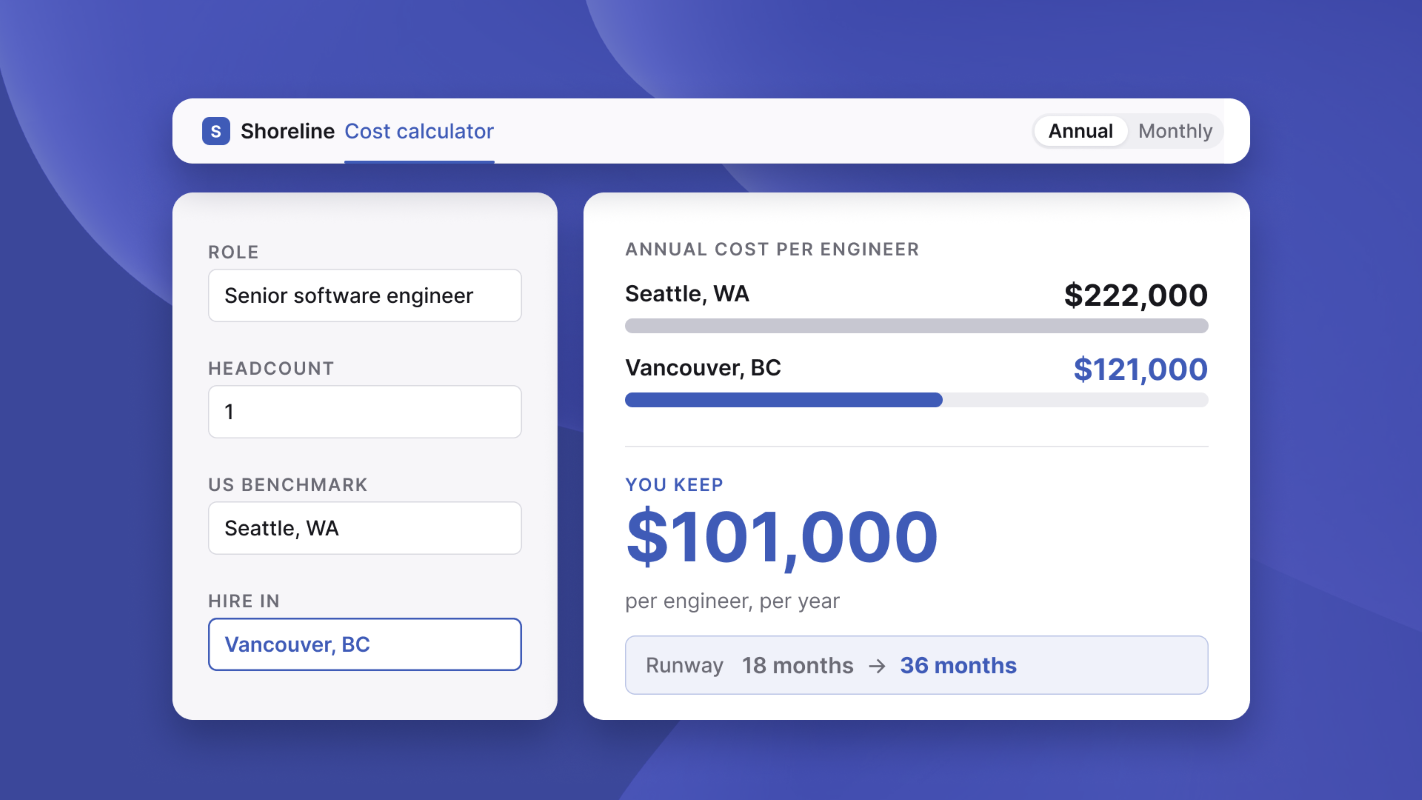
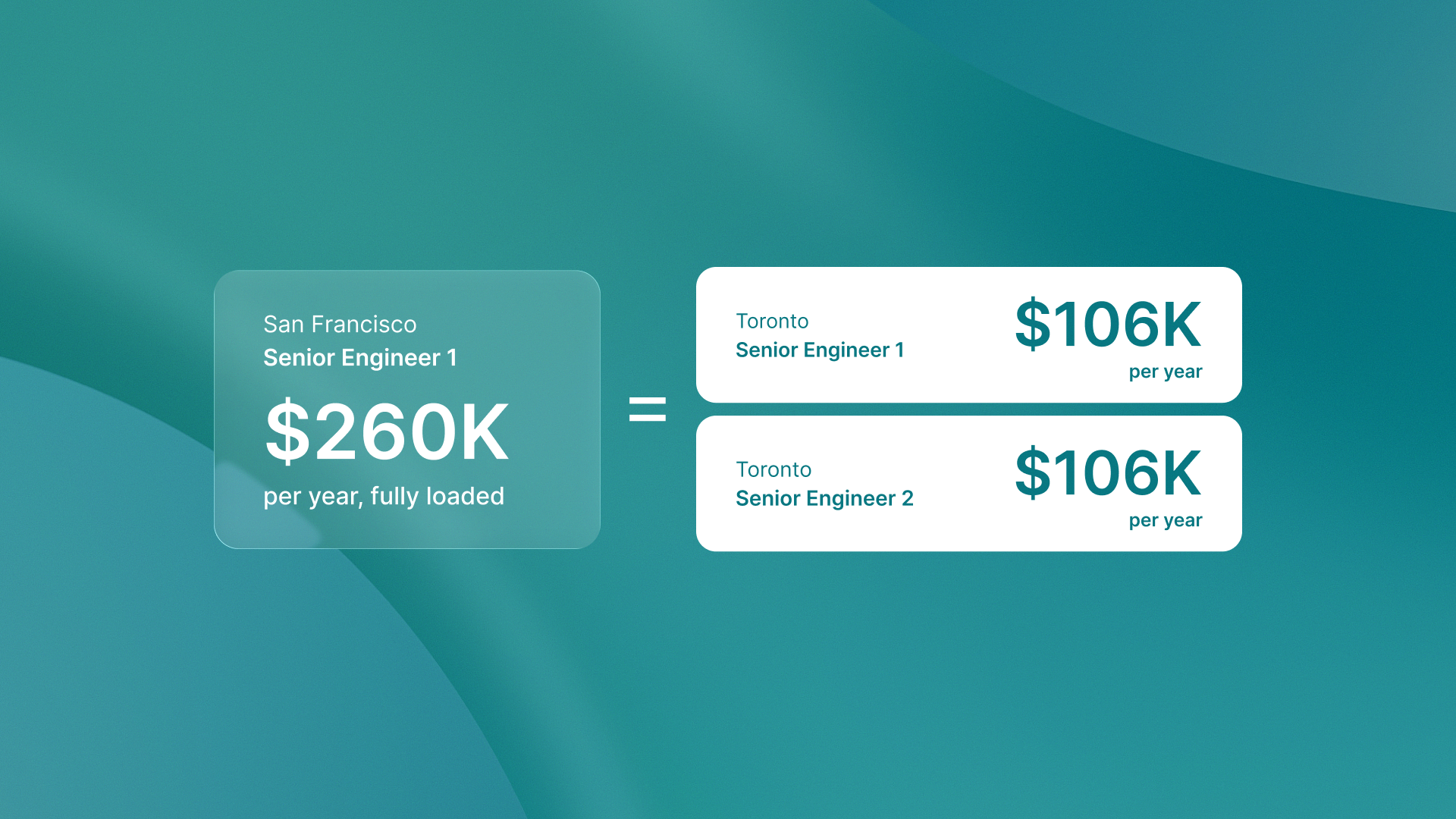
U.S. startups are burning $140,000+ per engineer while Canadian developers with identical skills cost $85,000-$95,000 CAD. Yet most founders don't even consider Canada when building remote teams. When executives think "remote hiring," they often choose offshore teams in Eastern Europe, Latin America, or Asia. They look for cost savings but accept 8-12 hour time zone gaps. They also face cultural mismatch and harder coordination. The nearshore advantage sitting directly north gets overlooked entirely.
Here’s the thesis most startups miss: Canadian tech talent cost offers U.S.
level quality at 40% lower cost.It avoids the operational complexity that often comes with offshore teams. This isn't about finding "cheap" developers. It means geography does not decide skill level. The best talent arbitrage is in the same time zones you already work in.
Canadian developer salaries vs U.S. equivalents
The numbers tell a clear story. According to Konnect.ph's 2025 Market Scan, median tech salaries in major Canadian markets range from $85,000 to $95,000 CAD. Specialized roles can reach $120,000 to $150,000 CAD. Compare that to U.S. equivalents commanding $140,000+ USD for the same skill levels.

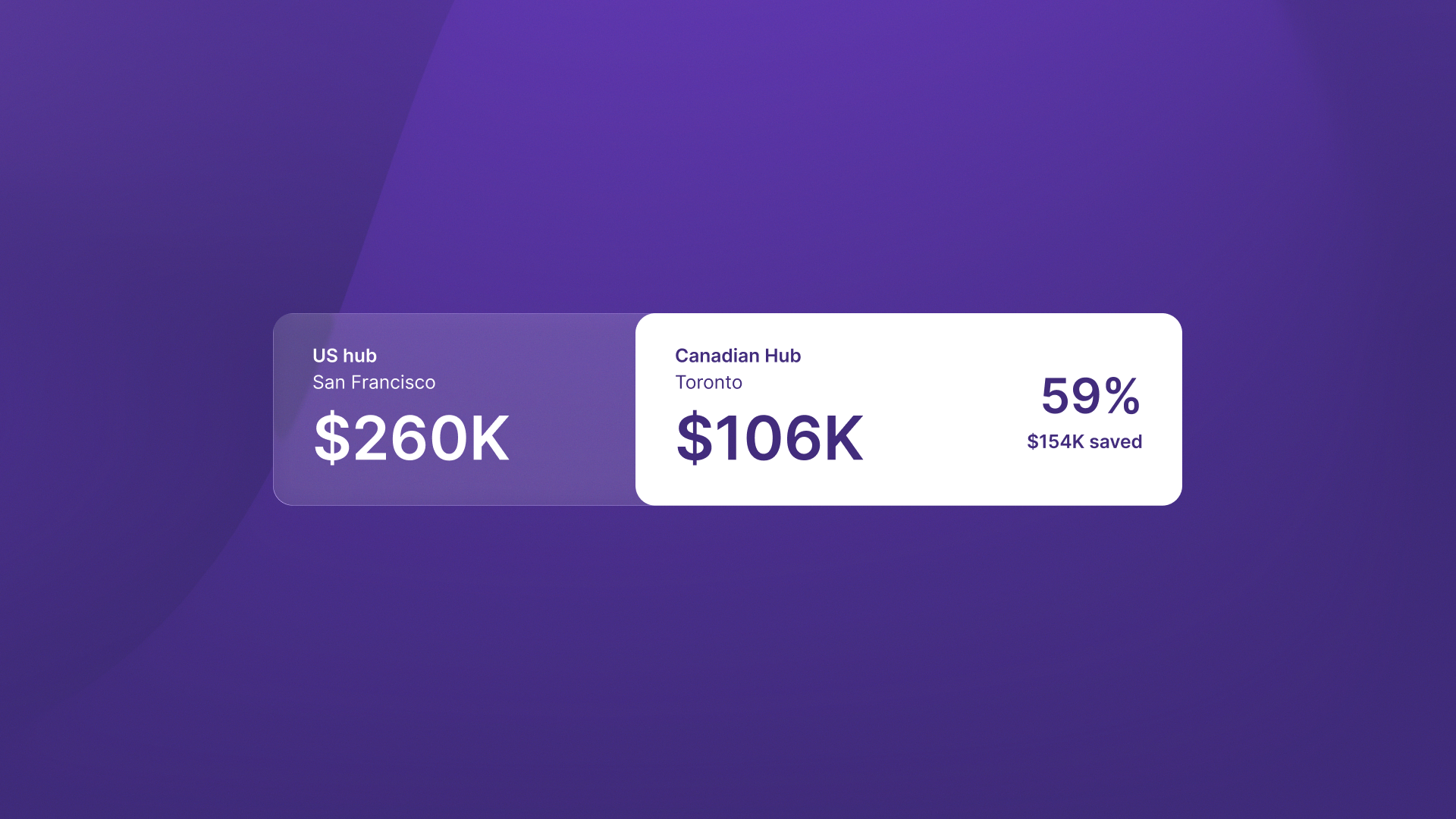
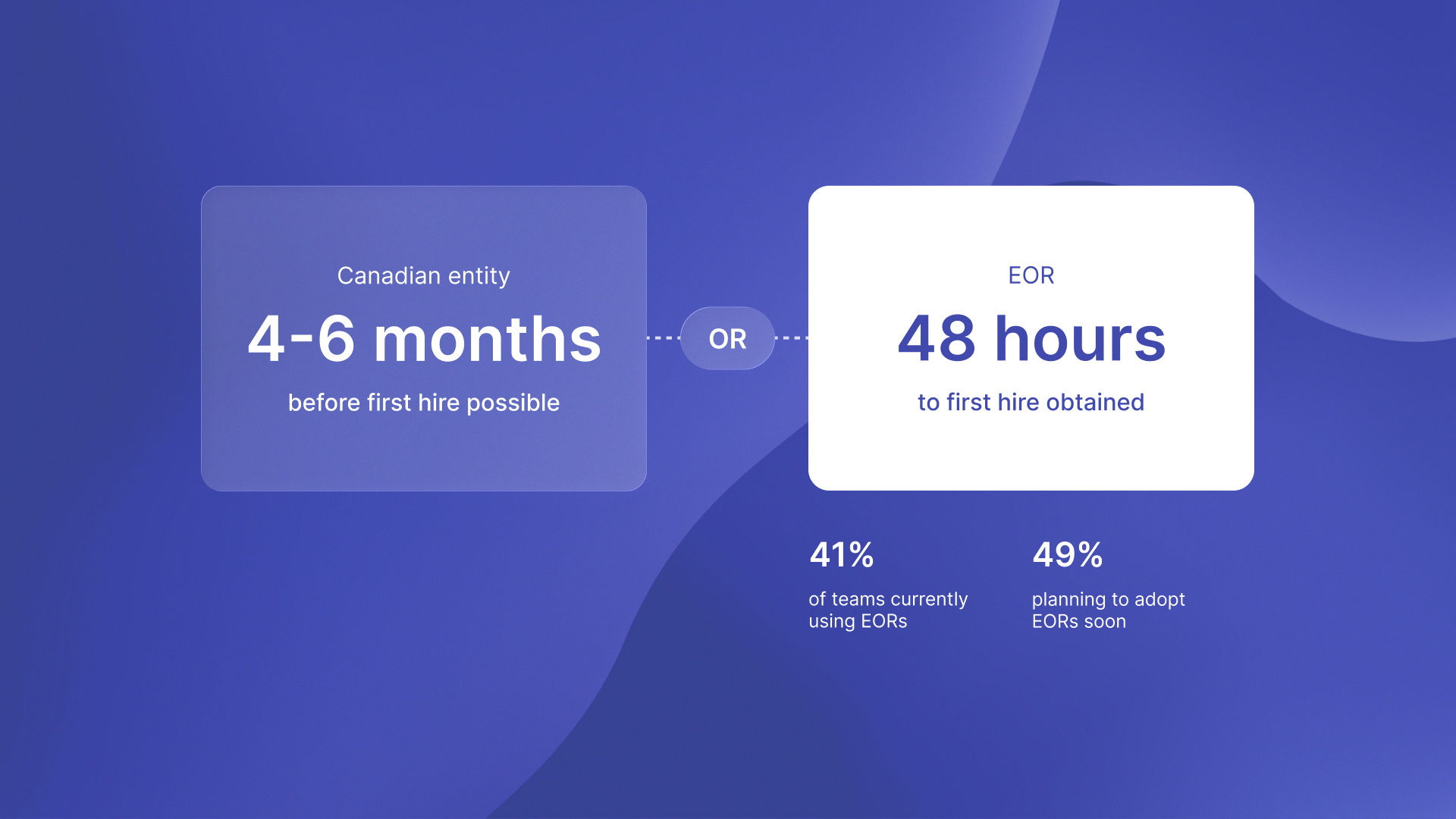
The 40% cost difference compounds when you factor in benefits, taxes, and operational overhead. Canadian benefits packages and payroll taxes differ from U.S. equivalents. This can create extra savings when using specialized EOR providers. These providers understand provincial rules and variations. For venture-backed startups managing burn rates, this gap directly translates to extended runway without sacrificing team quality.
The talent supply creates opportunity
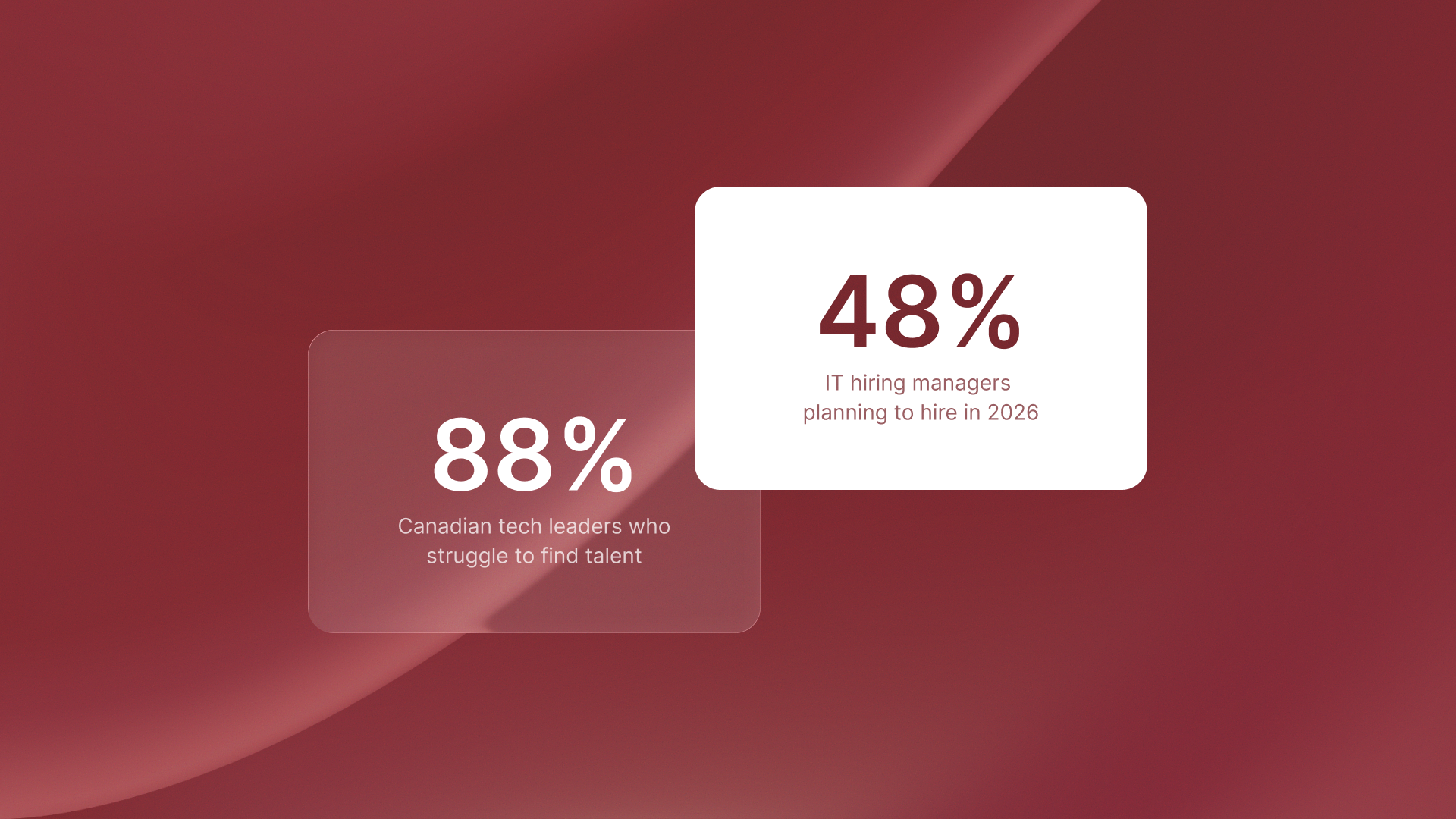
Canada's tech market is talent-constrained in ways that favor U.S. employers. Konnect.ph reports that 88% of Canadian tech leaders struggle to find talent. Canada will need 250,000 more tech workers by the end of 2025. Tech unemployment sits at 3.3%, representing essentially full employment. This creates a competitive hiring environment where U.S. companies offering remote roles and USD-equivalent purchasing power (after exchange rates) become highly attractive employers.
The supply constraint means Canadian developers aren't choosing between local startups and FAANG. They are choosing between limited local jobs and well-funded U.S. companies with better pay, bigger projects, and growth. For fast-growing teams, platforms like GrowTal's growth marketing talent marketplace can help. Venture-backed companies can use them to find specialized skills.They can do it without long, traditional hiring timelines.
The nearshore multiplier most startups overlook
Cost savings alone don't tell the full story. Canada offers what offshore markets can't: same time zones, cultural alignment, and zero language barriers. Unlike offshore options, Canadian developers work in EST and PST time zones. They share North American business culture. They integrate smoothly with U.S. teams. This eliminates the coordination friction that plagues offshore hiring.
Real-time collaboration during U.S. business hours accelerates sprint velocity and reduces project timelines. There's no 12-hour async delay waiting for responses. Stand-ups happen simultaneously. Code reviews get real-time discussion. Urgent bugs get addressed during your working day, not 12 hours later. The effective cost per delivered feature drops even further when you account for velocity improvements.
What nearshore delivers that offshore can't
Time zone overlap: Canadian nearshore offers full EST/PST alignment. Offshore teams in Eastern Europe or Asia work 6 to 12 hours ahead.
Cultural alignment: North American business norms are native to Canadian teams, but require adaptation periods with offshore talent.
Communication: Real-time collaboration becomes standard practice, replacing the async-heavy workflows that slow offshore projects.
Cost savings vs U.S.: Canadian talent delivers 40% savings, compared to 50-60% with offshore markets.
Coordination overhead: Minimal friction with nearshore teams versus high coordination costs offshore.
The comparison shows why Canadian tech talent savings deliver better ROI than raw offshore cost arbitrage. You're not trading quality for cost. You're optimizing the cost-quality-coordination balance.
What this means for hiring strategy
Founders managing burn rates need to think differently about remote hiring. The default offshore playbook maximizes cost savings but introduces operational debt: slower velocity, communication overhead, and cultural friction. The nearshore option can save you a lot of money.Saving 40% makes a big difference when you hire 5 to 10 engineers.It also keeps strong teamwork.That helps teams stay productive.
This matters most when you're building core product teams, not outsourcing peripheral work. The developers writing your critical features need to collaborate in real-time with product, design, and other engineering. GTM strategy consultants working on post-merger integration know this principle. Alignment costs matter as much as labor costs. They help build cohesive teams.
What this means for venture-backed startups
AAs U.S. salaries keep going up, venture-backed companies have less time and more pressure. Founders who spot Canada’s nearshore advantage early can build stronger teams. They can also lower burn rates. This isn't about compromising on quality. It means the best talent arbitrage is in the same time zones you already work in.
If you're hiring remotely anyway, start with Canada before looking 12 time zones away. The cost savings are real, the quality is comparable, and the operational simplicity makes every dollar work harder. For more resources on building efficient remote teams, explore GrowTal's blog on fractional talent strategies.

.png)


.png)


%2520(8).png)