
.svg)
The math of the hiring sequence for DTC beauty brands: why infrastructure beats marketing at $2M

.png)
If you are a beauty founder spending $150,000 on a fractional CMO before your backend operations can scale, you are not building a brand. You are burning a bridge. The math of early-stage DTC scaling is brutal. Most founders I talk to over-hire for growth while their fulfillment systems are held together by duct tape. I have seen skincare brands spend 60% of their seed round on customer acquisition. Then the whole engine collapses when order volume spikes. You shouldn't just spend to grow. You have to build a technical core that automates operations before you turn on the growth faucet.
The hiring sequence for DTC beauty brands
For brands under $2M revenue, the move involves prioritizing operations and technical leads before heavy sales spend. This is about unit economics. It ensures your infrastructure can handle the load without eroding your margins. I've been watching founders waste hours on inventory management instead of strategy. Using a platform like Blanka lets you bypass manufacturing minimums and inventory risk entirely. This frees up capital to hire the real engineers you need to build long-term value.
Technical hiring as a cost-recovery mechanism
A backend engineer is a recovery mechanism when you factor in SR&ED for skincare brands. If you structure your development correctly, you can reclaim a significant portion of your technical spend. Monetscope reports that benchmarking salary and equity accurately is the only way to retain talent in this market.
Why hire in Canada
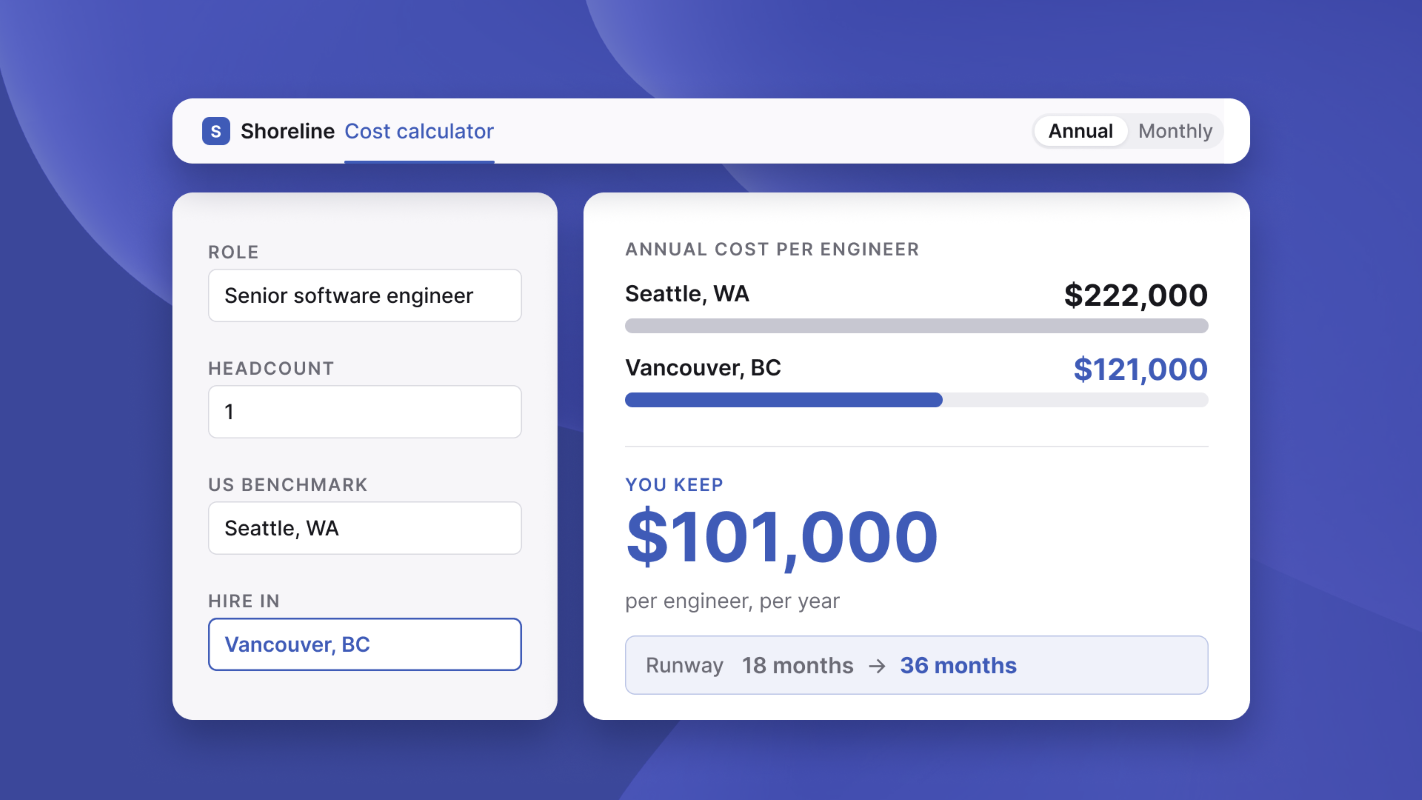
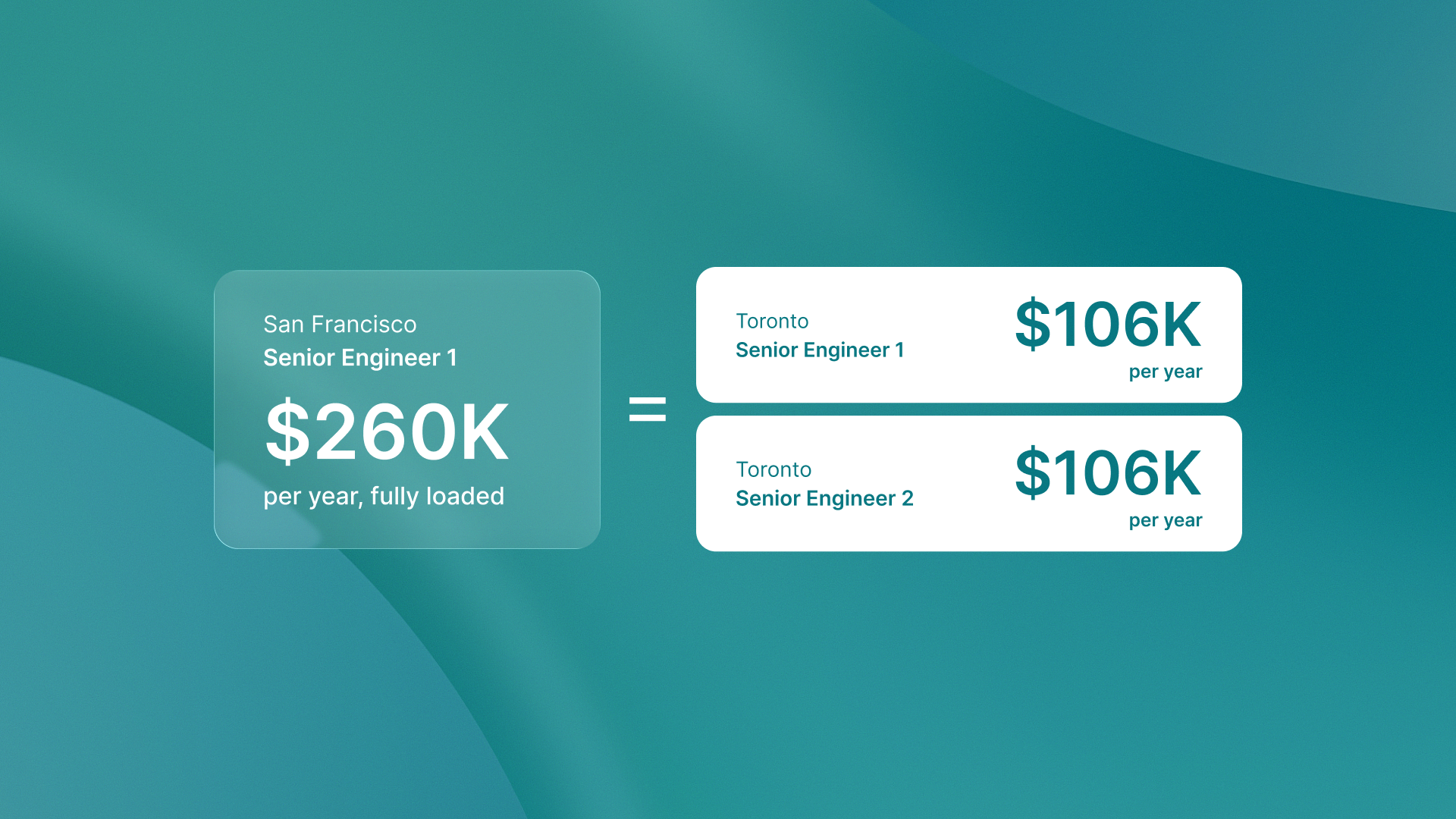
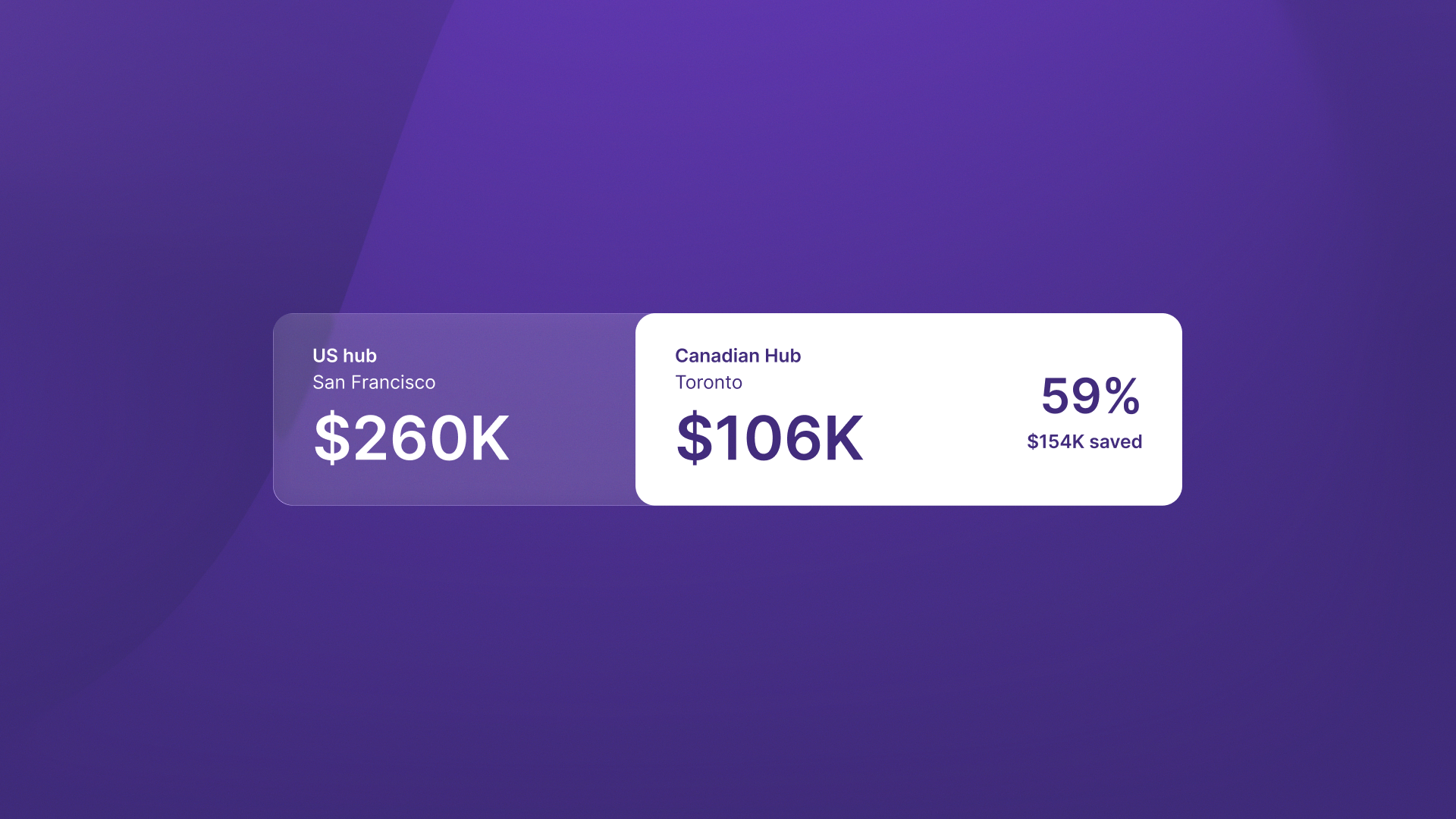
By hiring backend engineers Canada, you access a 40:50% cost advantage. These developers understand how to build for DTC beauty startup scaling without the Silicon Valley price tag.
Strategic savings
A Canadian senior engineer costing $110,000 saves you roughly $80,000 compared to a US hire (Shoreline).
Building for long-term value and operational efficiency
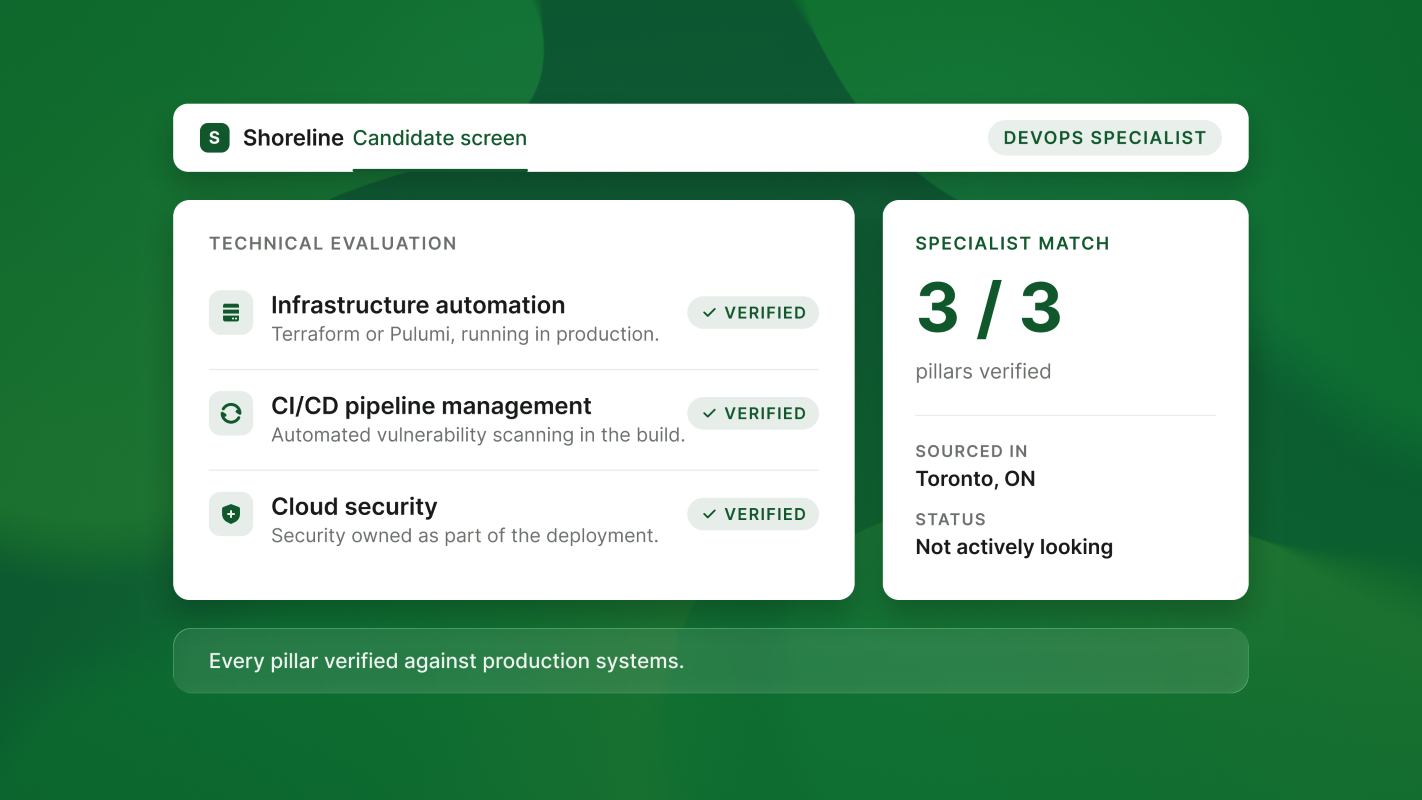
Infrastructure first creates compounding value. Early-stage beauty brand operations require more than just a Shopify template. You need automated testing to ensure your checkout doesn't break during a TikTok surge. QA flow shows that autonomous testing decouples test coverage from human hours. When you use Shoreline to manage your Canadian engineering payroll, you gain a structural advantage.
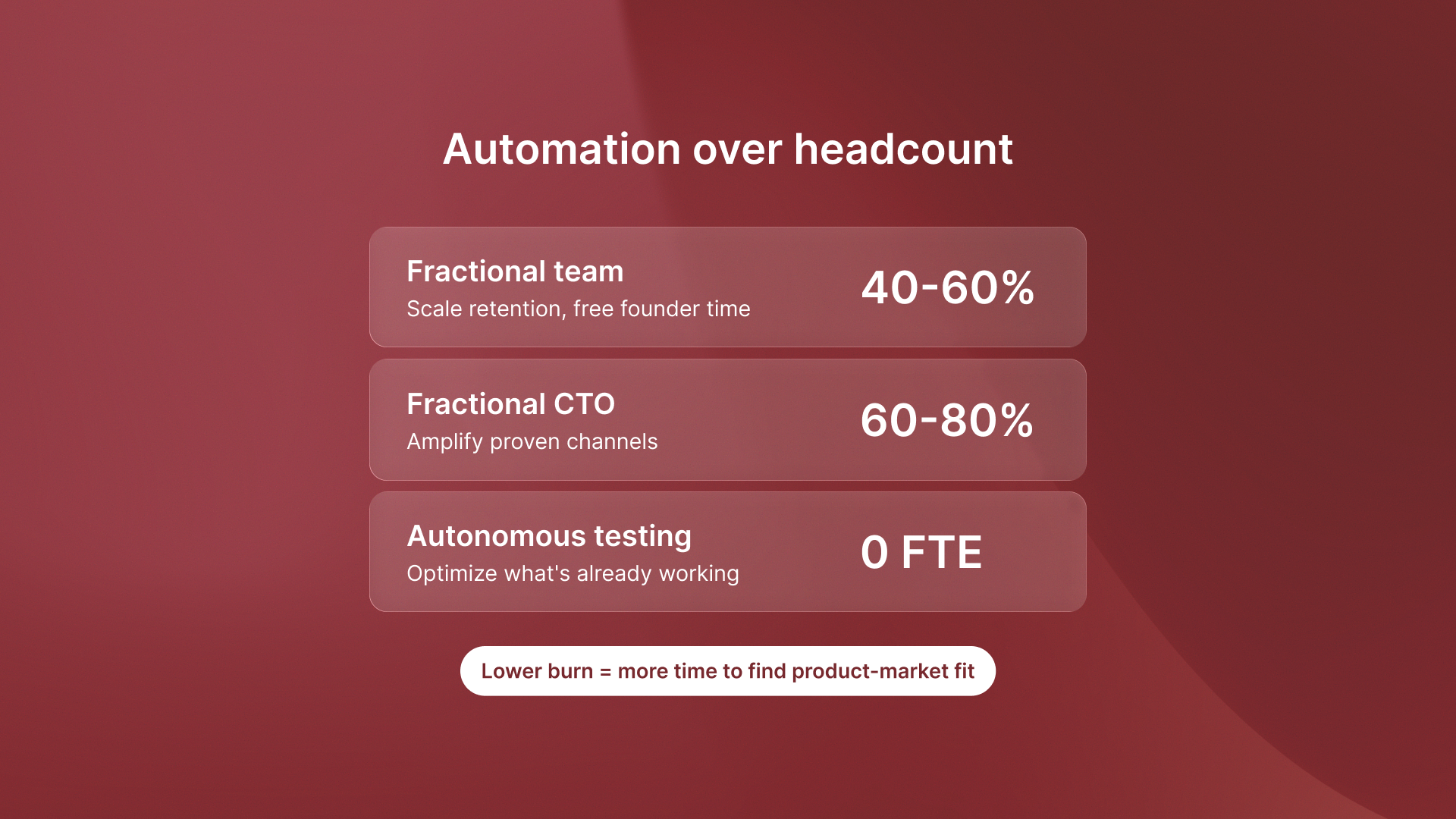
Before you hire a full-time marketing team, consider the cost framework for startups. A fractional marketing approach often saves 40:60% in overhead. This is critical when you still have hidden overhead in your freelance spend. The goal is a skincare startup hiring guide that favors automation over headcount.
Efficiency doesn't happen by accident. I've seen companies ship production AI 60:80% cheaper by using fractional CTOs. These leaders build the systems that replace manual support tasks. The math is simple: lower burn equals more time to find product-market fit.
What to do next
- Audit your current roadmap and move any non-essential marketing hires to a post-$2M revenue milestone.
- Identify two manual operational tasks that can be automated with a technical infrastructure hire.
- Consult with a tax expert to determine if your current dev projects qualify for SR&ED for skincare brands.
- Evaluate if Canadian engineering can extend your runway by at least six months.
Developing a smart hiring sequence is a financial strategy, not an HR task. Make every dollar count.
Ready to scale your technical backend without the usual overhead? Explore how Shoreline makes this work.


.png)



%2520(8).png)