
Developer Cashback Program: Maximize Your Engineering Budget

TL;DR
- A developer cashback program maximizes engineering budgets by returning a percentage of payroll spend to the company.
- U.S. startups can reduce burn rates by nearly half by hiring Canadian developers at lower base salaries.
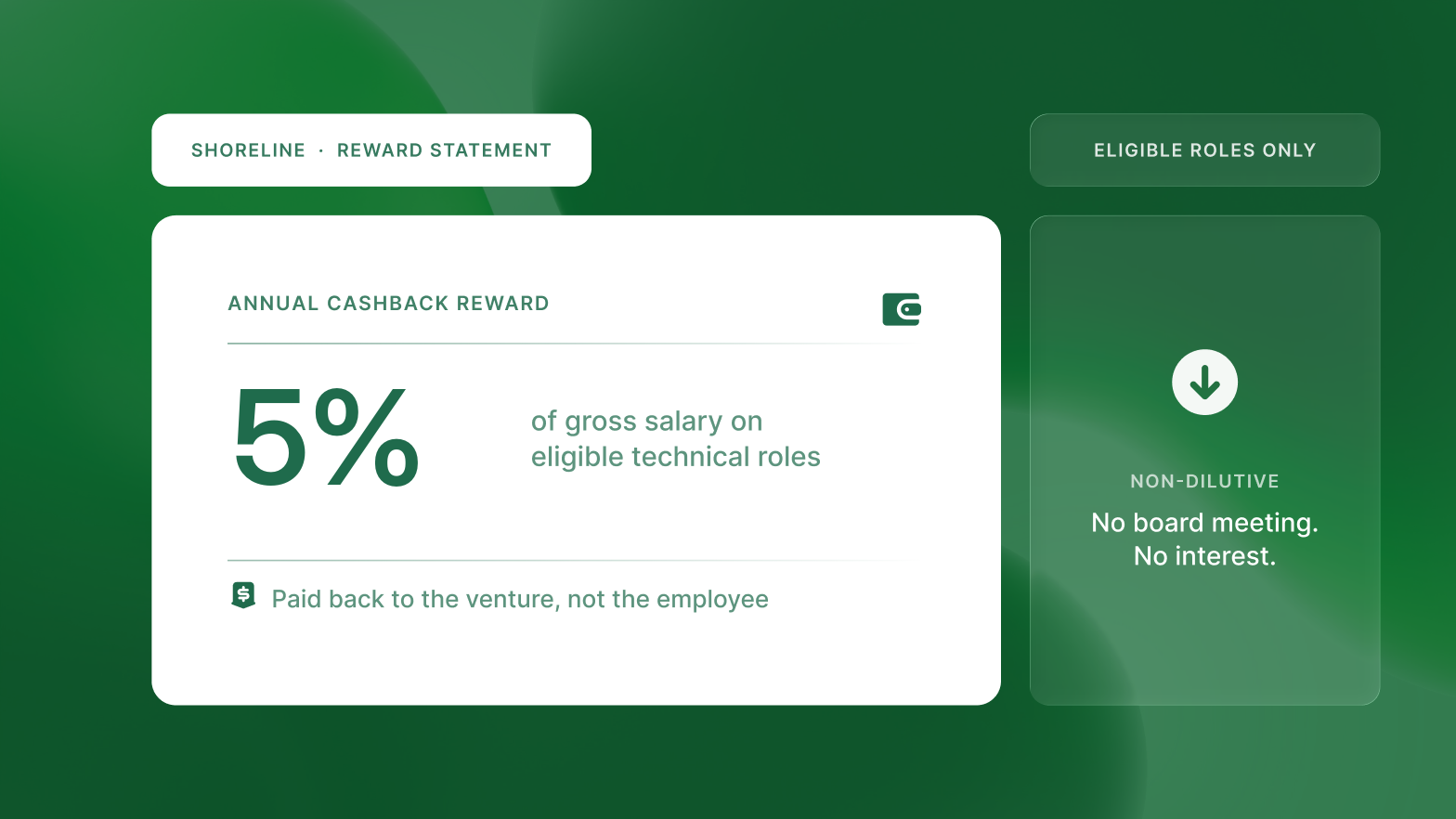
- The program provides a 5% annual reward on gross salary for qualifying technical roles like DevOps and AI engineers.
- Companies must use a specialized Employer of Record to ensure proper worker classification and maintain incentive eligibility.
A developer cashback program serves as a financial catalyst for technical teams. It transforms standard payroll into a recurring capital reward. For U.S. venture-backed startups, this model offers a way to extend runway. It optimizes the return on engineering salaries, which are often a firm's largest expense. This article examines how these cashback incentives work and how they integrate with Canadian software engineering recruitment to improve capital efficiency.
The unit economics of a developer cashback program in 2026
I have found that most founders view engineering payroll as a static burn rate. However, the math is clear. Treating payroll as a sunk cost is a strategic error when structural arbitrage is available. Engineering payroll can function as a loyalty asset. By shifting focus to the net cost of employment, firms can maintain higher velocity without increasing venture debt or equity dilution. Startups must shift from growth at any cost to strategic allocation focused on automation efficiency and R&D infrastructure.
Why U.S. salary wars are a losing game
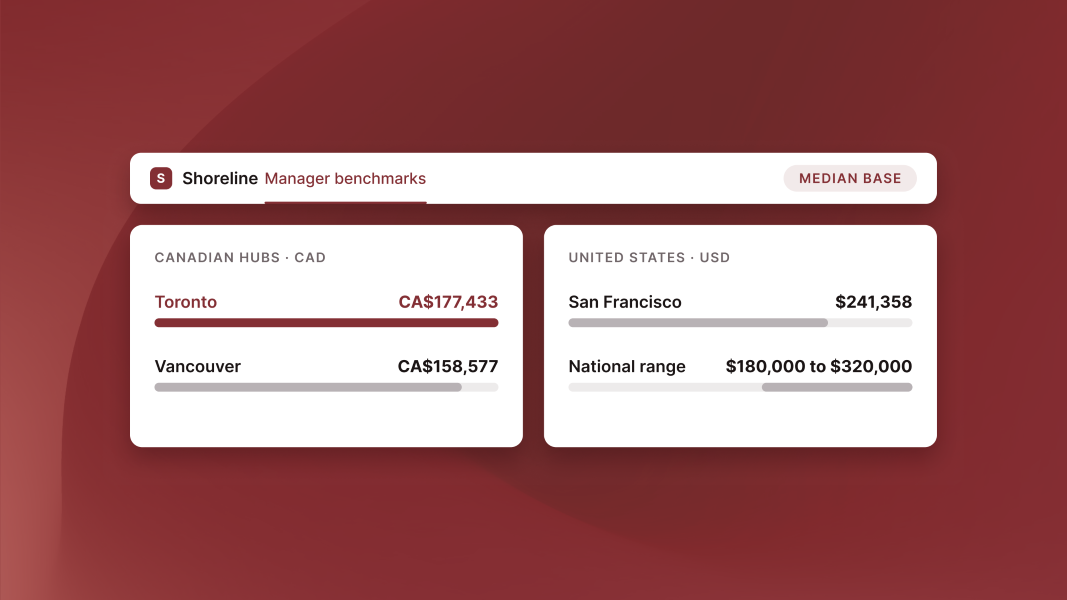
Competing for talent in Silicon Valley or New York often leads to a bidding war. This erodes margins. When startups pay peak market rates in these hubs, they are not just buying talent. They are subsidizing a high cost of living that does not translate to increased code quality or sprint velocity. This creates a high-pressure environment where capital is deployed inefficiently, especially when San Francisco engineering compensation continues to outpace actual productivity gains.
The 40% Canadian cost advantage
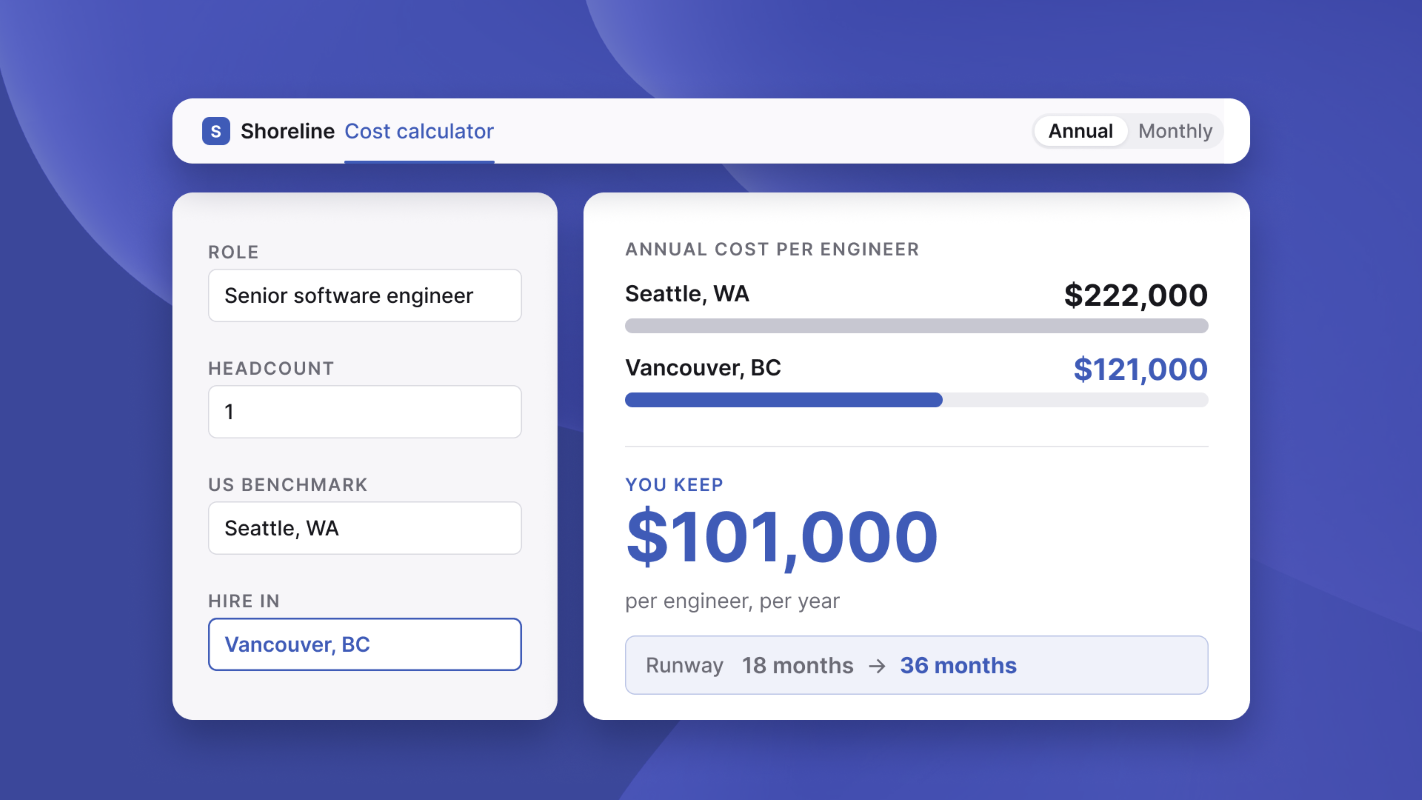
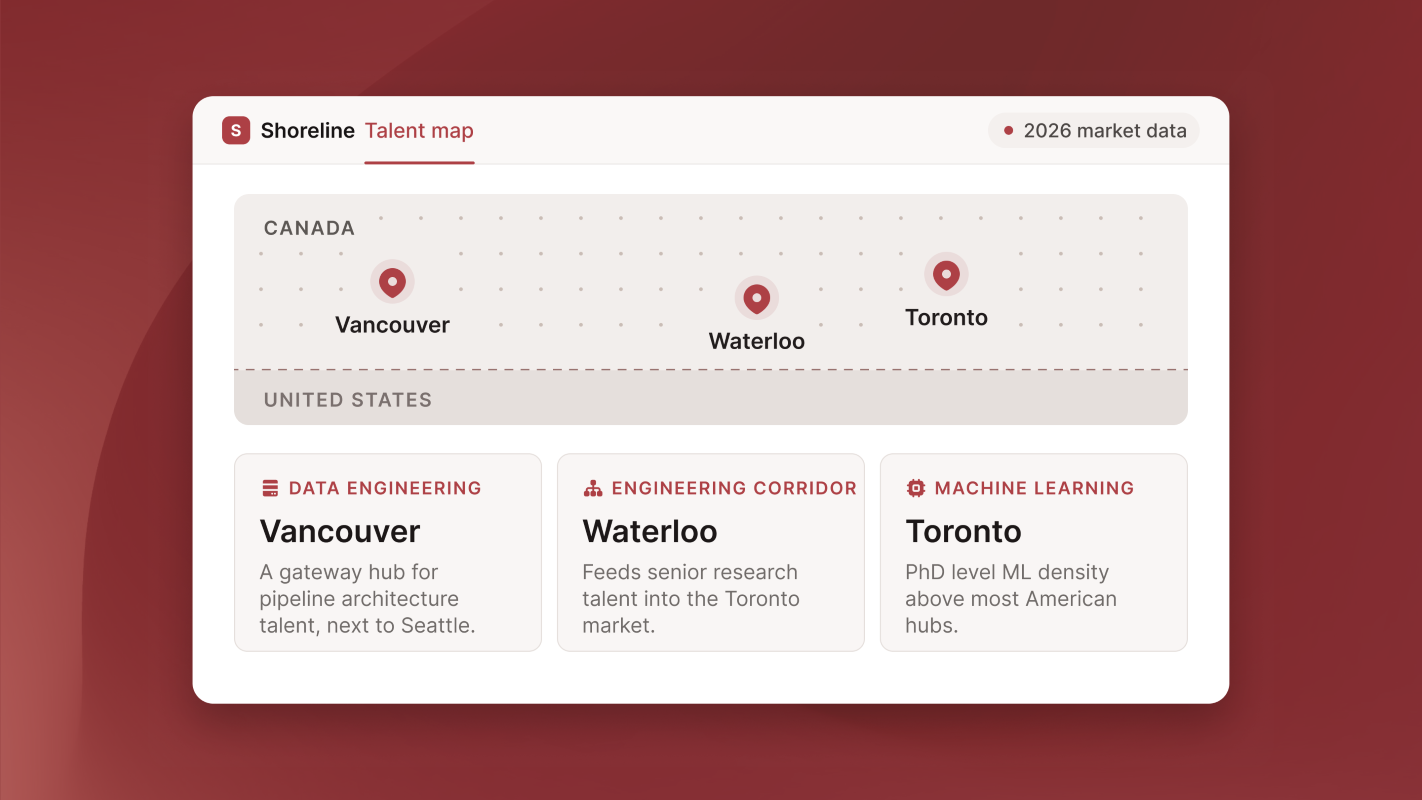
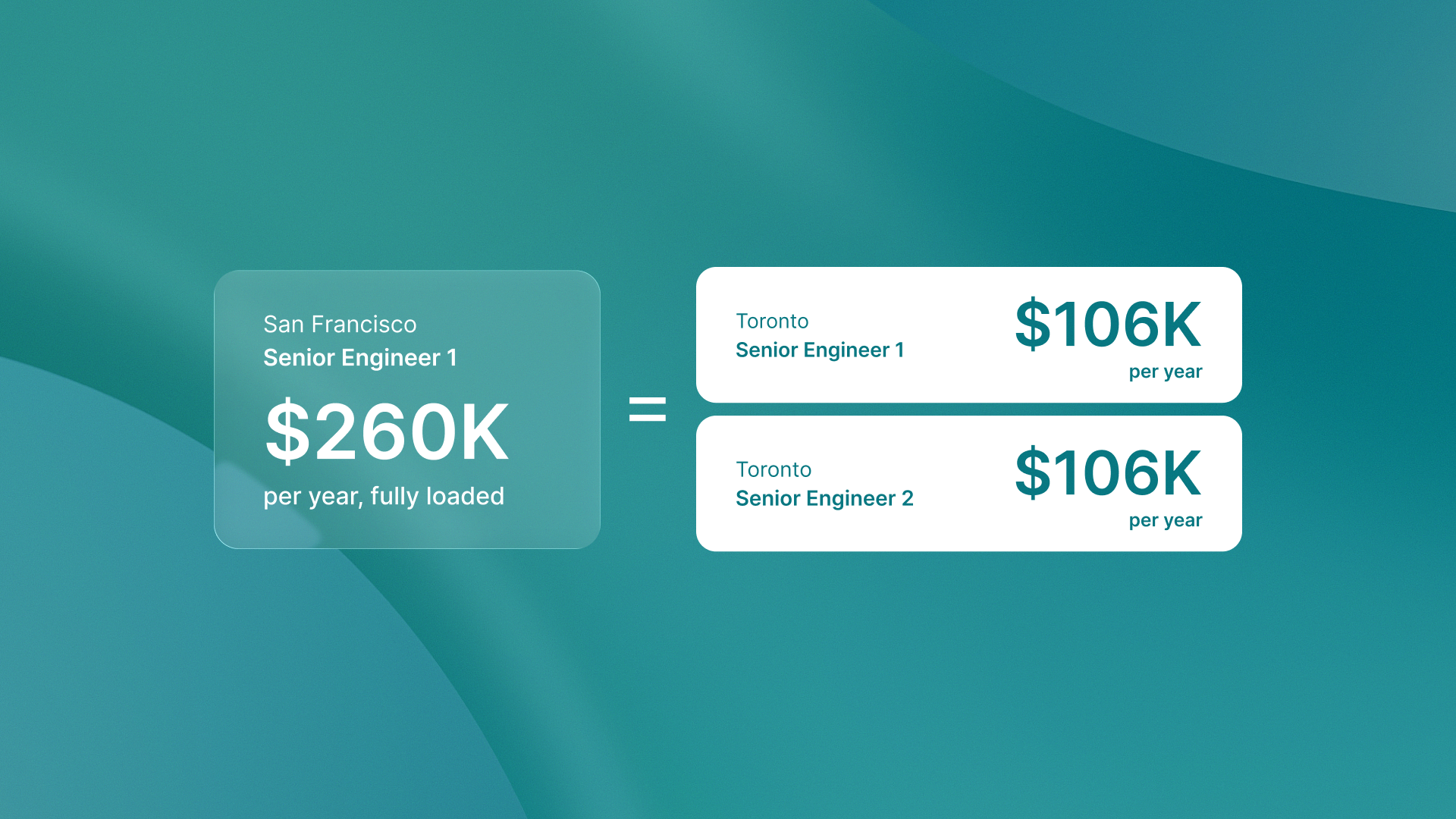
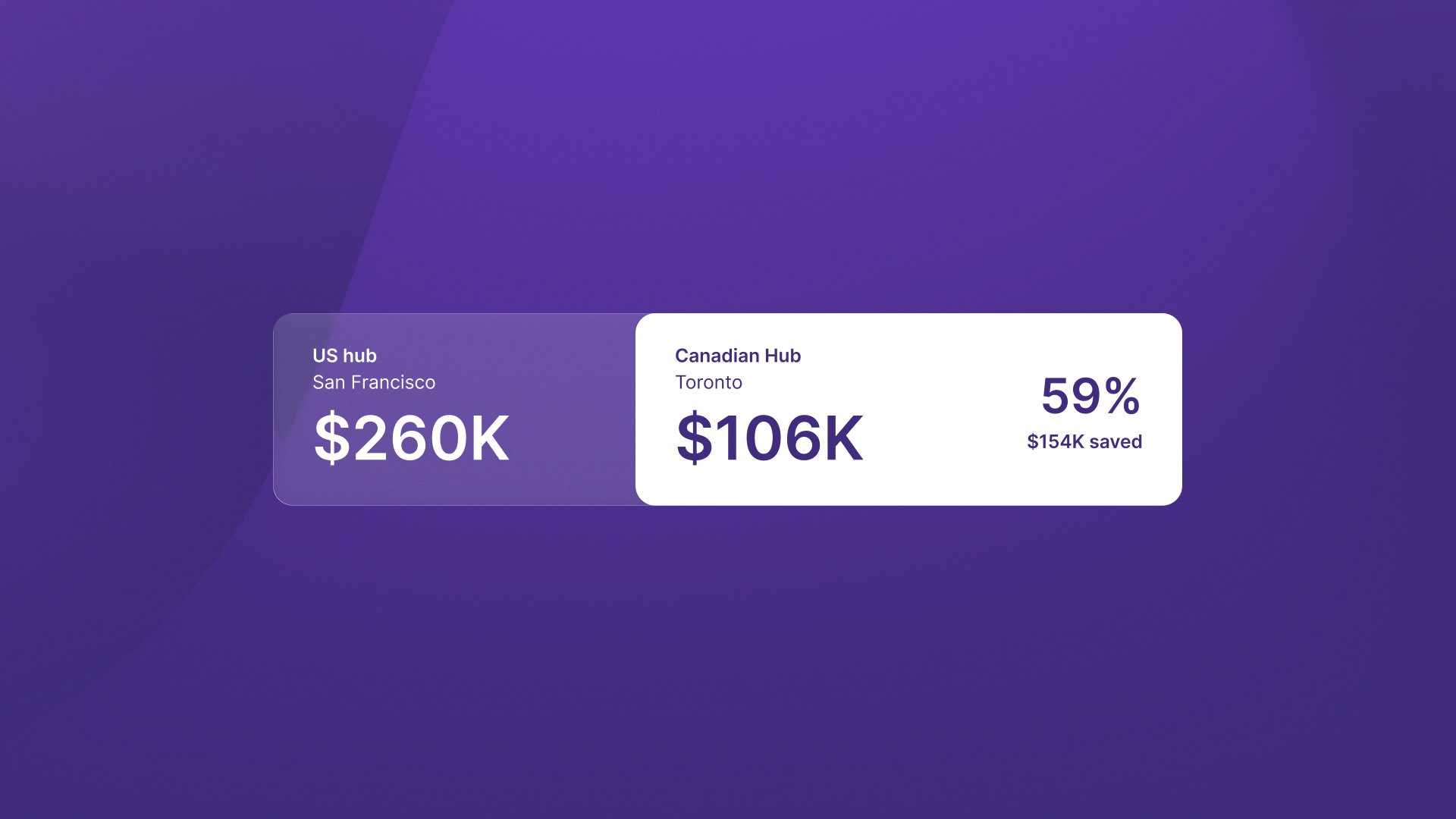
I analyzed current market data and confirmed that Canadian senior software engineer salaries are significantly lower than their U.S. equivalents. Combining this lower base salary with a 5% annual cashback reward creates a massive arbitrage opportunity for U.S. startups. Many firms overlook these developers despite the currency and cost-of-living dynamics that make nearshore hiring a compelling choice. Startups that choose to hire Canadian developers can access this talent pool while reducing their burn rate by nearly half.
Cost of employment: U.S. vs. Canada
How the developer cashback program works
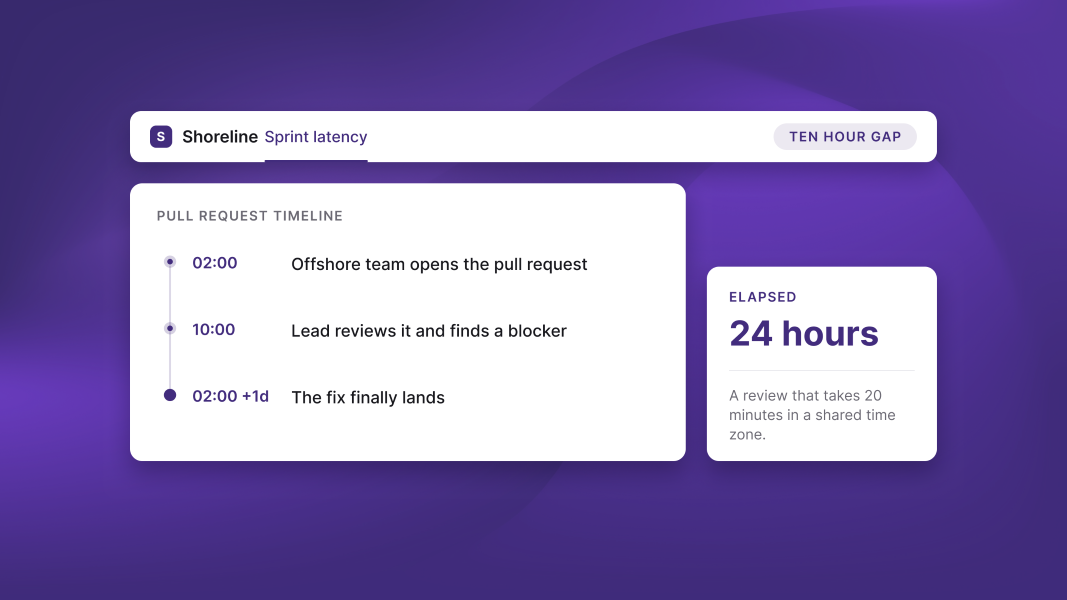
This program functions by returning a percentage of the total payroll spend directly to the firm. This mechanism differs from standard discounts. It is calculated based on realized volume and engagement. Startups often default to offshore alternatives, missing the same-day time zone overlap and cultural alignment available closer to home.
- Automated Calculation: Modern developer programs use automated reward flows to transfer credits based on payroll volume. The system tracks the total gross salary paid to eligible Canadian developers.
- Periodic Payout: A set percentage of the transaction amount is refunded as a reward. Shoreline returns 5%. For example, a $200,000 annual payroll at a 5% rate would return $10,000.
- Capital Reinvestment: The cashback is typically credited back to the firm's account. This allows the finance team to immediately reinvest that capital into R&D or marketing to lower the burn rate.
Eligibility and R&D credits
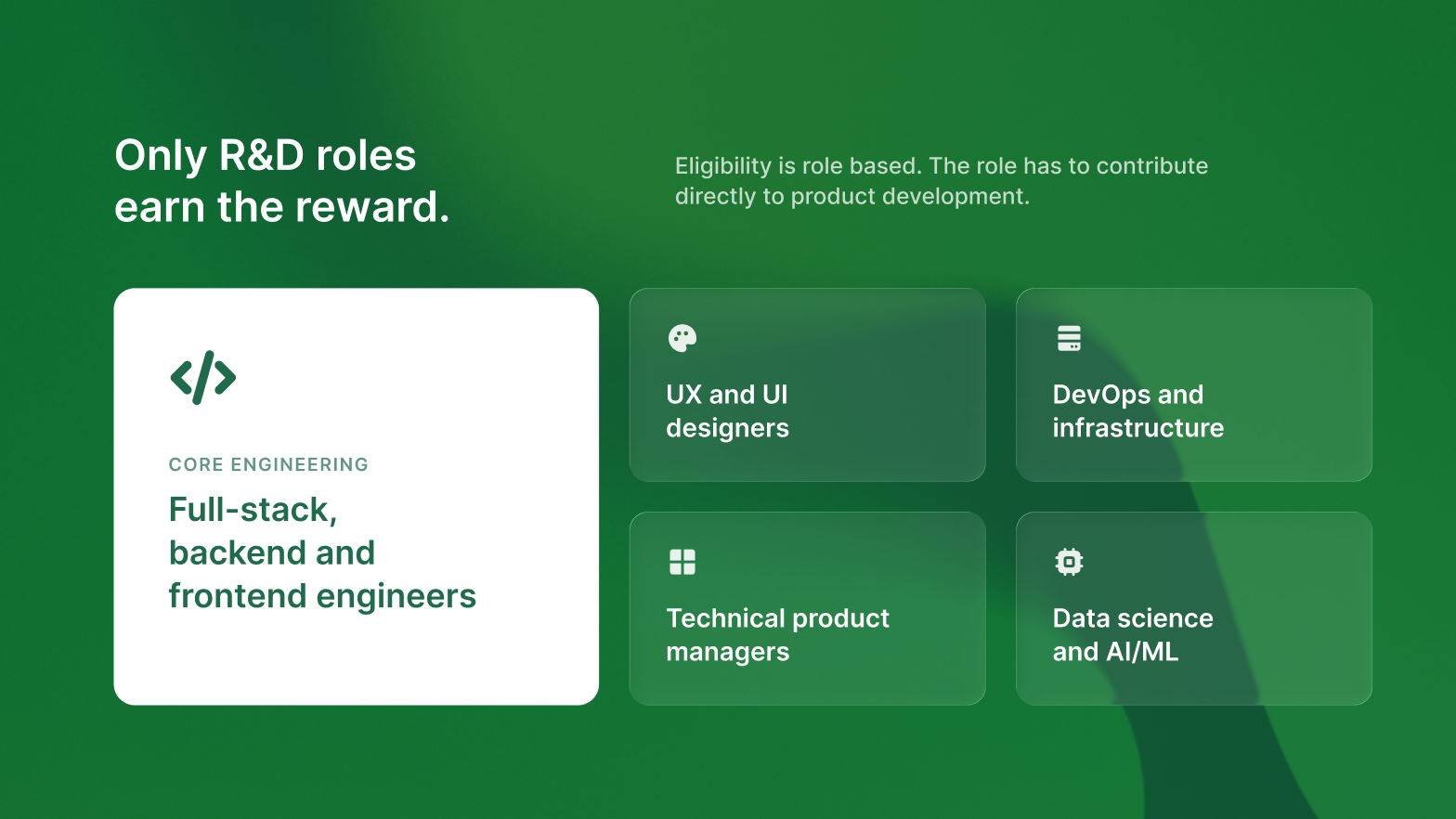
Accessing these rewards requires strict adherence to specific operational and role-based criteria. The program is designed to support high-impact technical growth. This means the roles must contribute directly to product development. Understanding Shoreline cashback eligibility is essential for companies looking to maximize their non-dilutive capital returns through this specific program.
Qualifying technical roles
- Senior Software Engineers (Full-stack, Backend, Frontend)
- UX and UI Designers
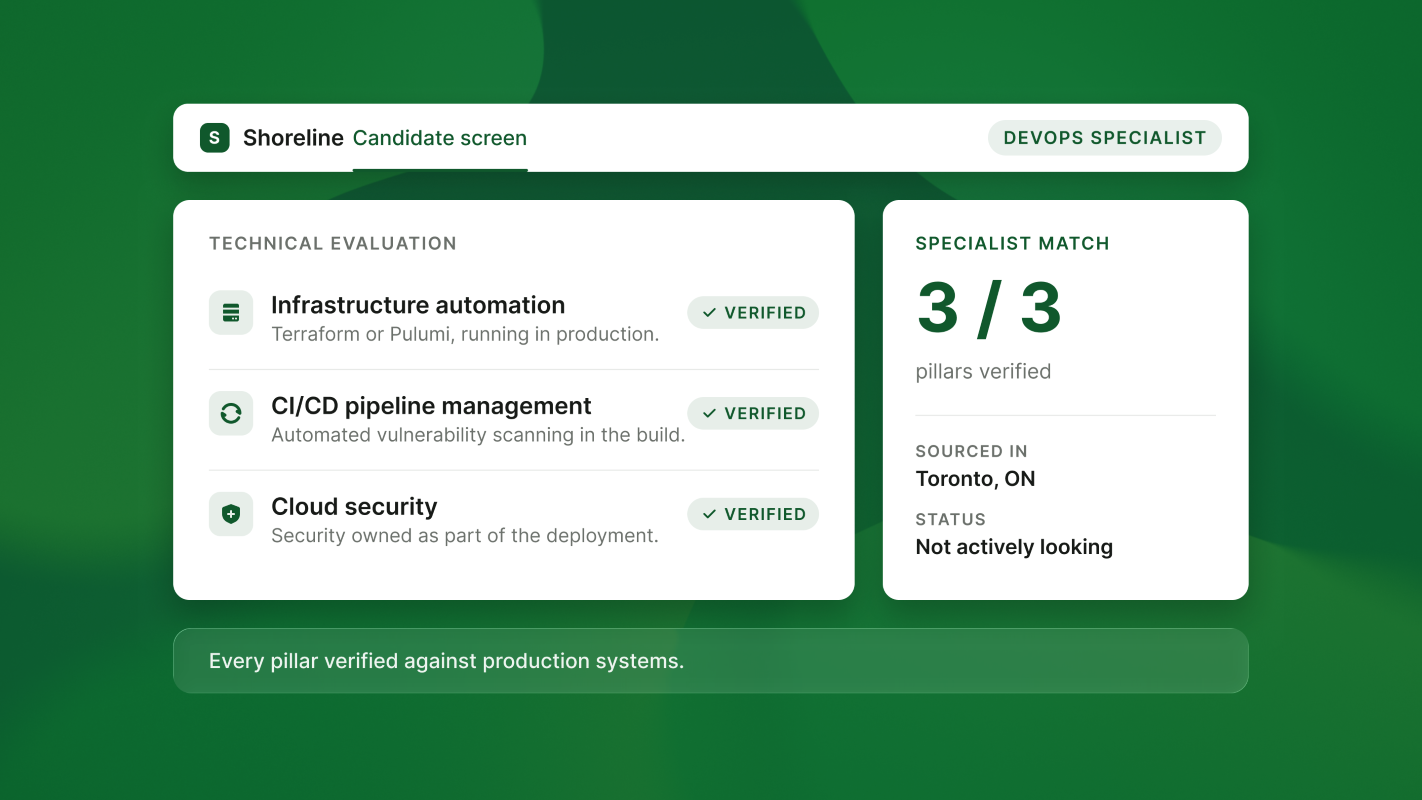
- DevOps and Infrastructure Engineers
- Product Managers with technical backgrounds
- Specialized R&D Engineers (AI/ML, Data Science)
Compliance requirements for Canadian R&D
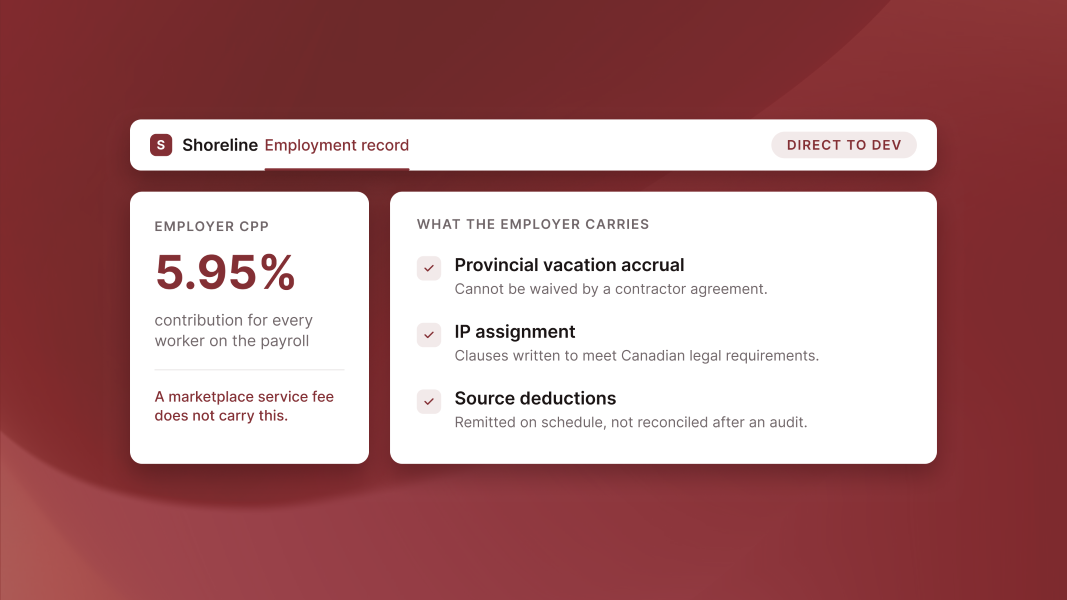
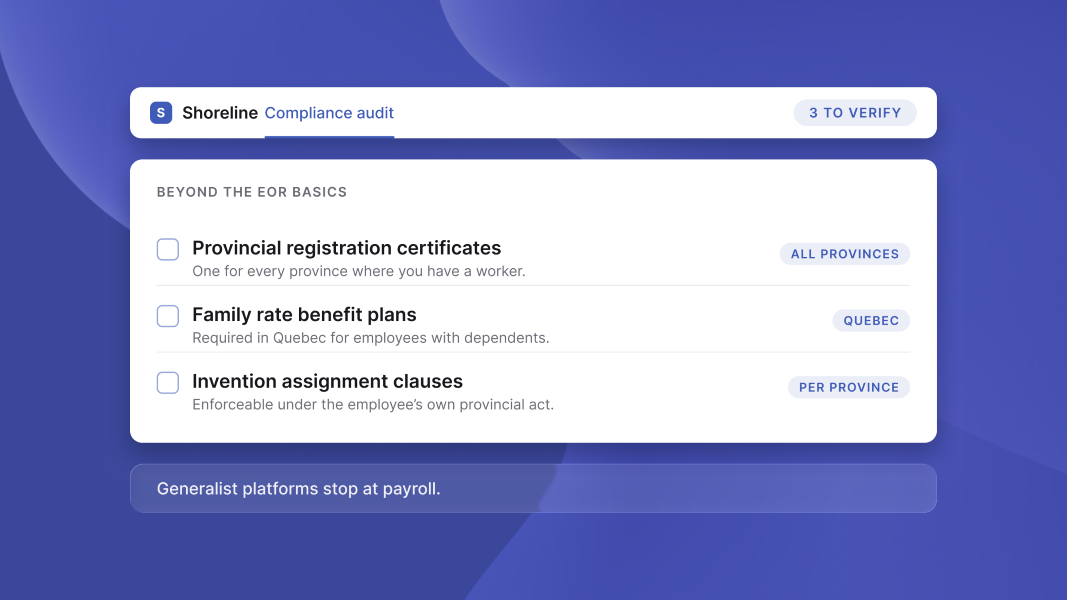
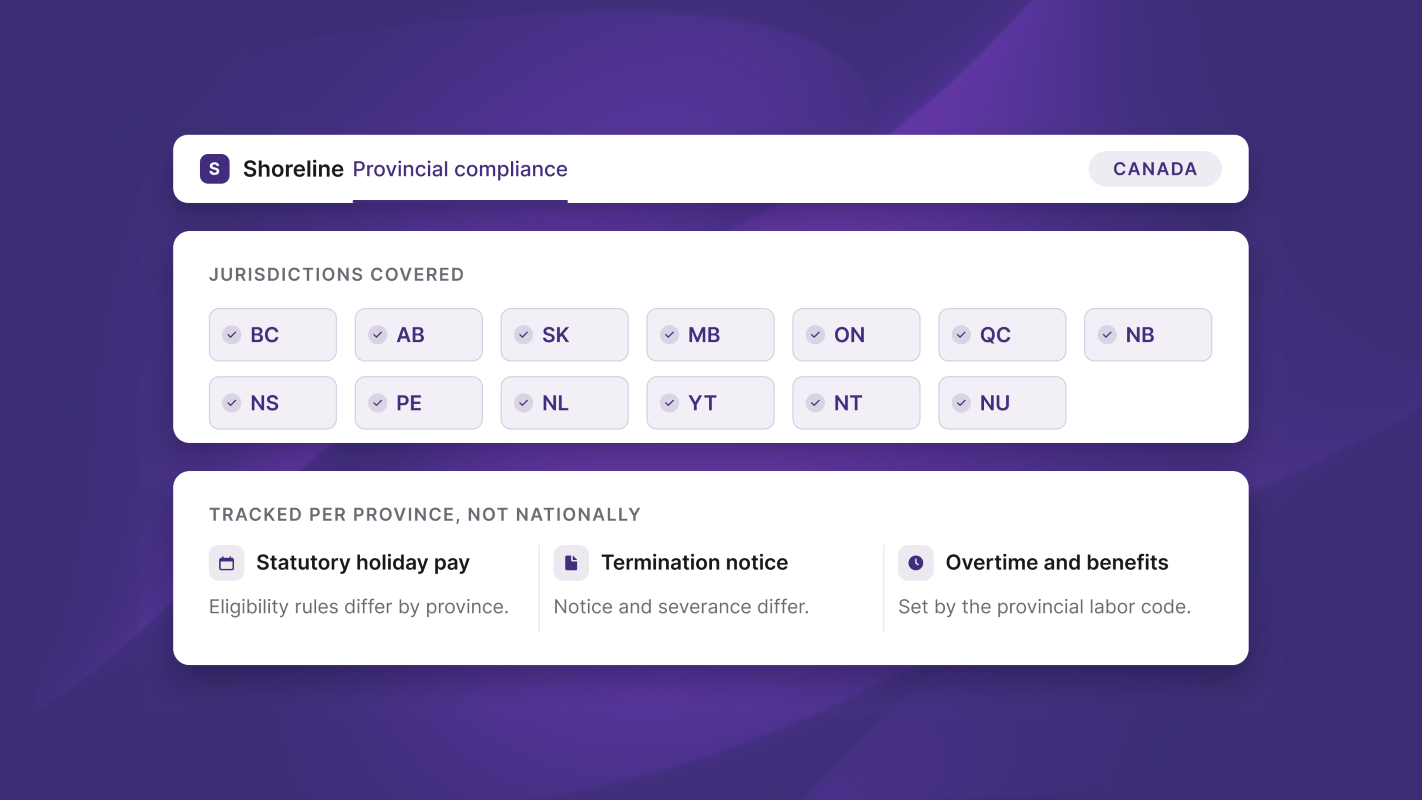
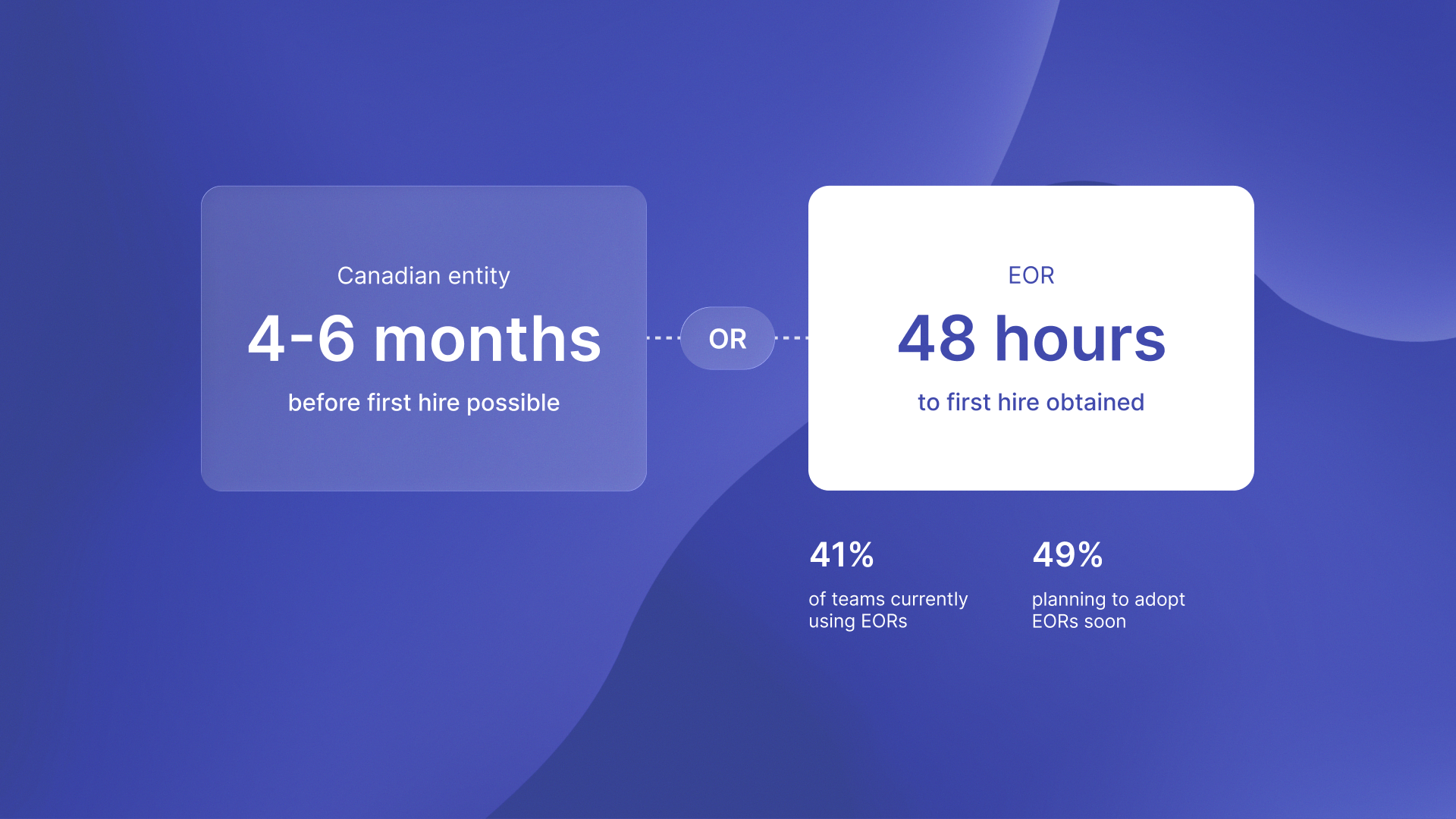
To claim these incentives, Canadian R&D firms must maintain proper worker classification. The Canada Revenue Agency (CRA) evaluates the nature of the relationship. They look specifically at the level of control and tools provided to the developer. Firms must ensure they are using a specialized Employer of Record (EOR) to manage remote developer payroll in Canada. Misclassification can lead to audits that void incentive eligibility. Proper documentation of R&D activities is also required to align with federal tax credit standards and R&D tax credits for Canada hiring.
The real-world math: ROI of a loyalty-based hiring model
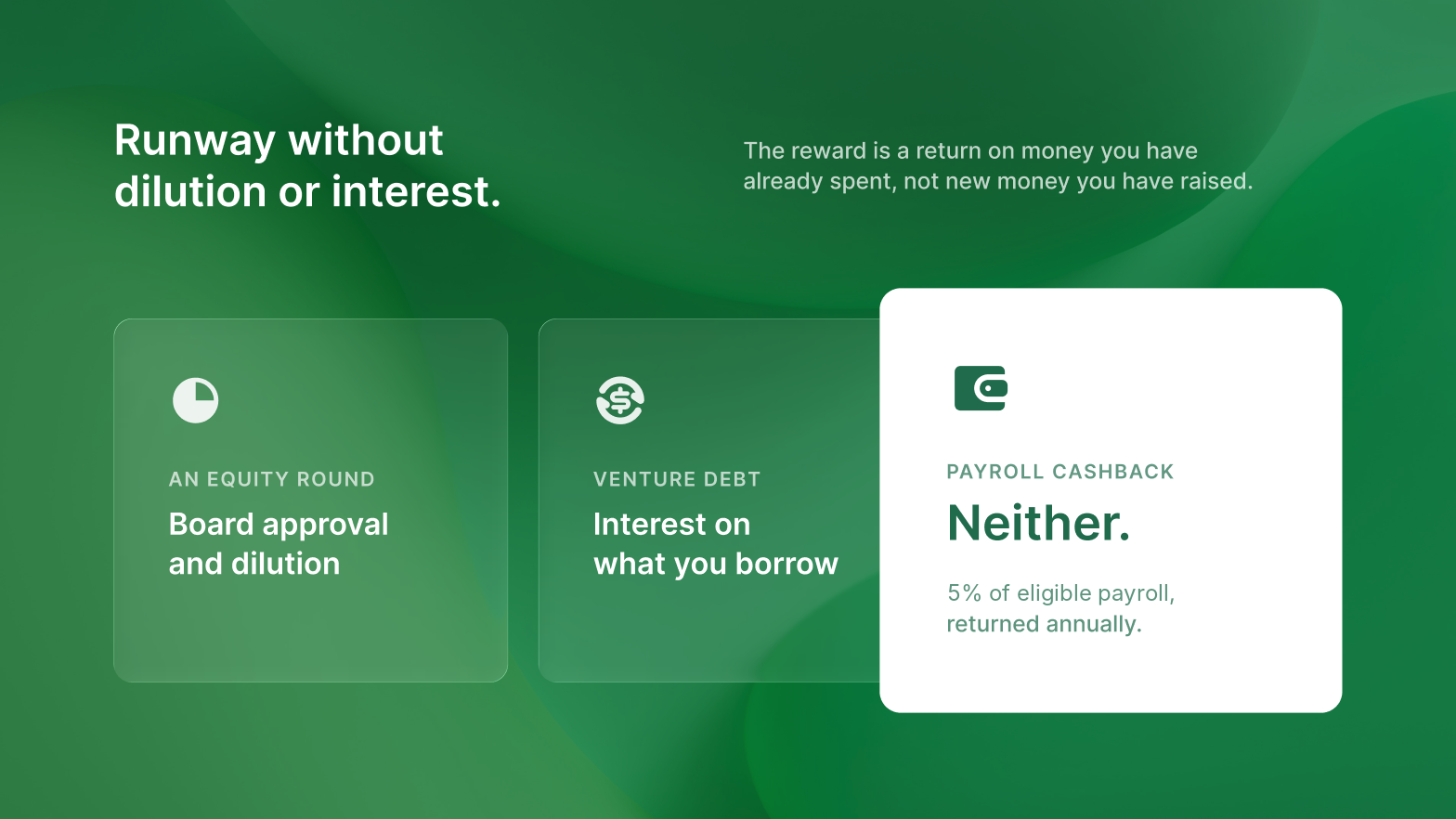
Here is the reality: a 5% reward on a 10-person engineering team can extend a startup's runway by several months. If your annual technical payroll is $1.2 million, a 5% cashback program returns $60,000 in non-dilutive capital to your balance sheet. This capital does not require a board meeting to access. It also does not come with interest rates.
When a firm uses a founding engineer hiring playbook to integrate these savings, the cost of scaling becomes predictable. By using these rewards, startups can achieve a net return that offsets the costs of international expansion.
What to do next
- Audit your current engineering spend to identify roles that can be transitioned to a high-arbitrage market like Canada.
- Verify role eligibility for technical incentives, ensuring your UX designers and specialized engineers meet the R&D criteria.
- Implement a specialized EOR partner to manage the compliance and automated reward infrastructure.
- Reinvest the 5% cashback into your core product development to accelerate your next milestone.
The reality is that hiring is no longer just an HR function. It is a financial strategy. By integrating a cashback model into your engineering budget, you stop just spending and start investing.
Check your eligibility to hire Canadian tech talent through Shoreline and see what cashback your roles qualify for.