
.svg)
How to hire a DevOps engineer in Canada: the specialized talent search guide

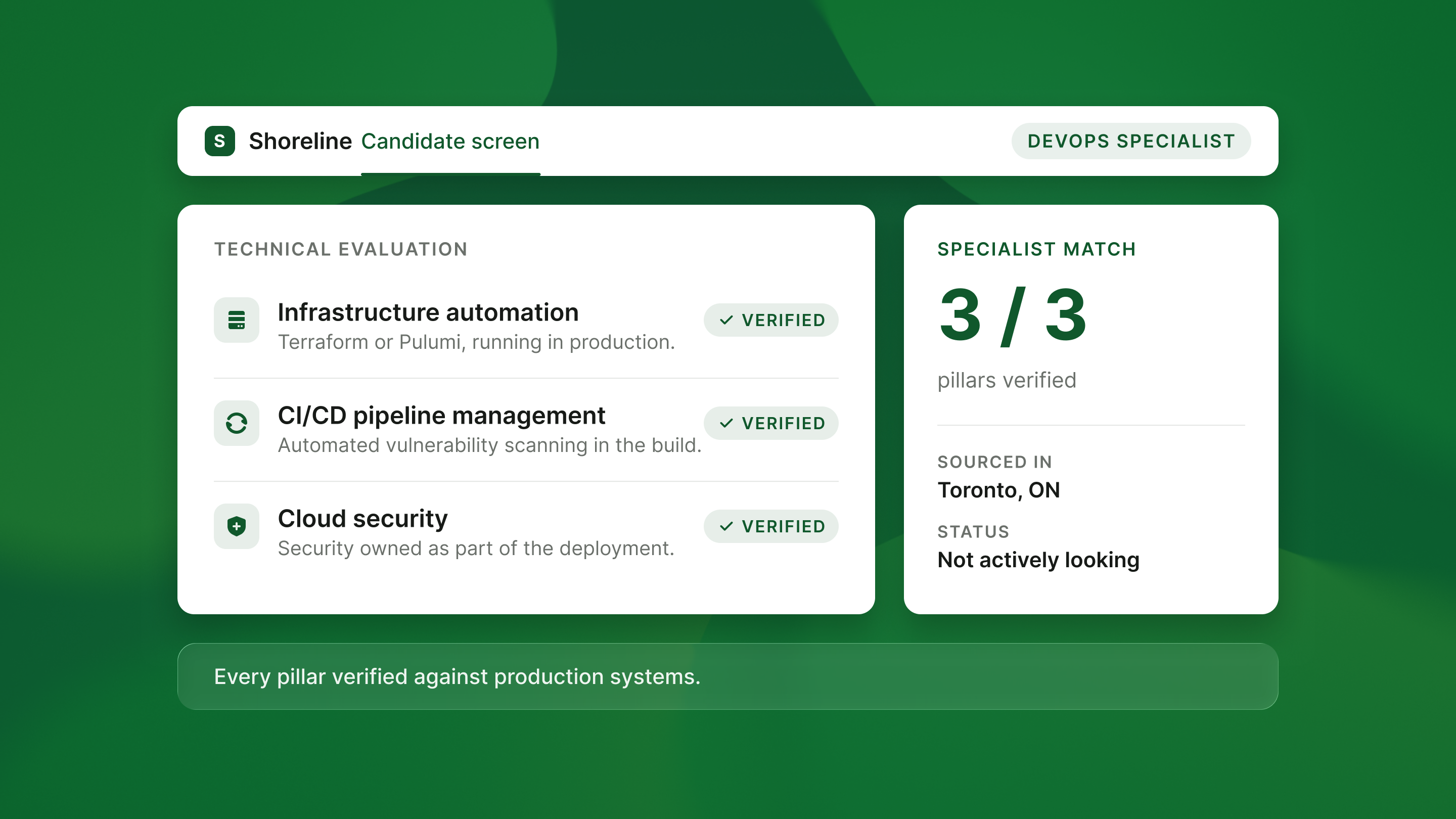
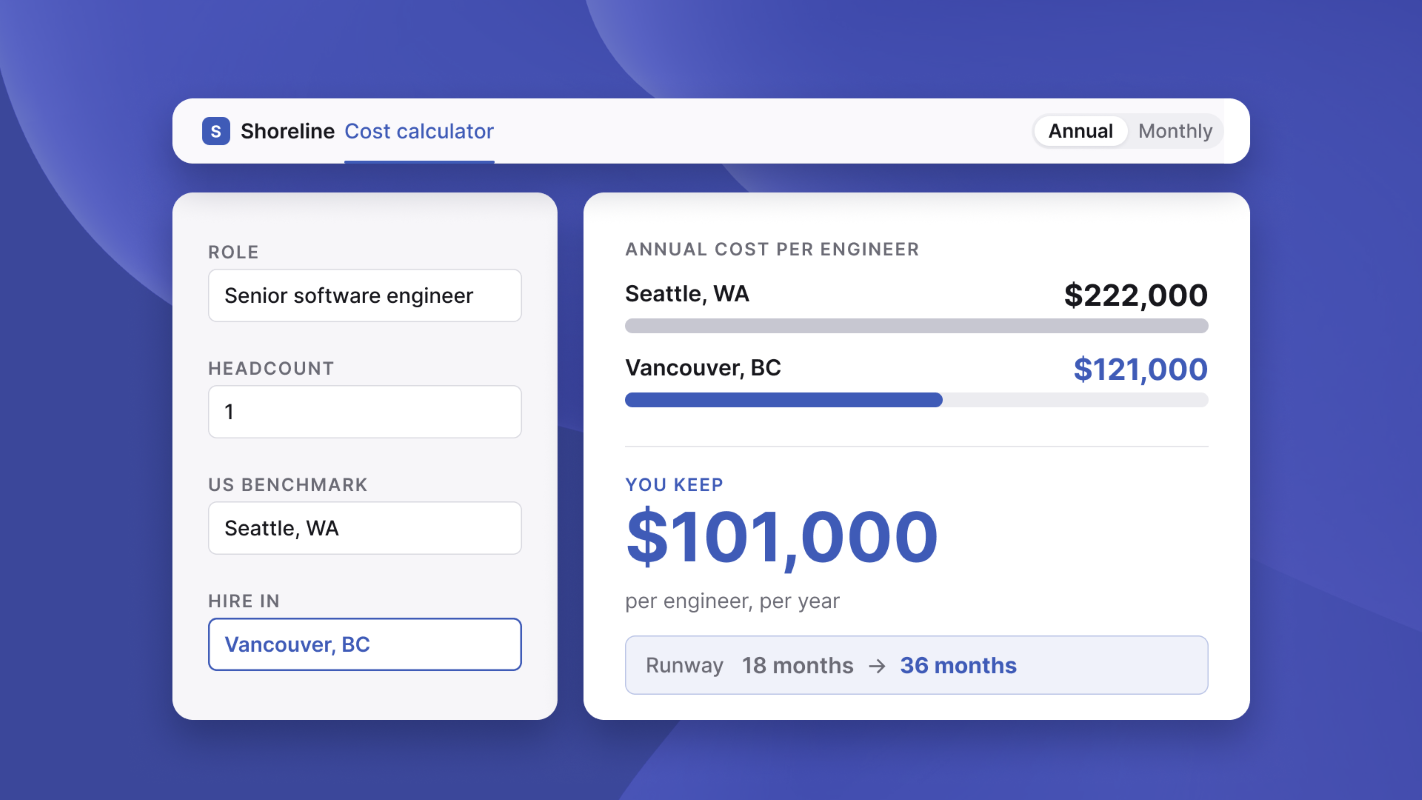
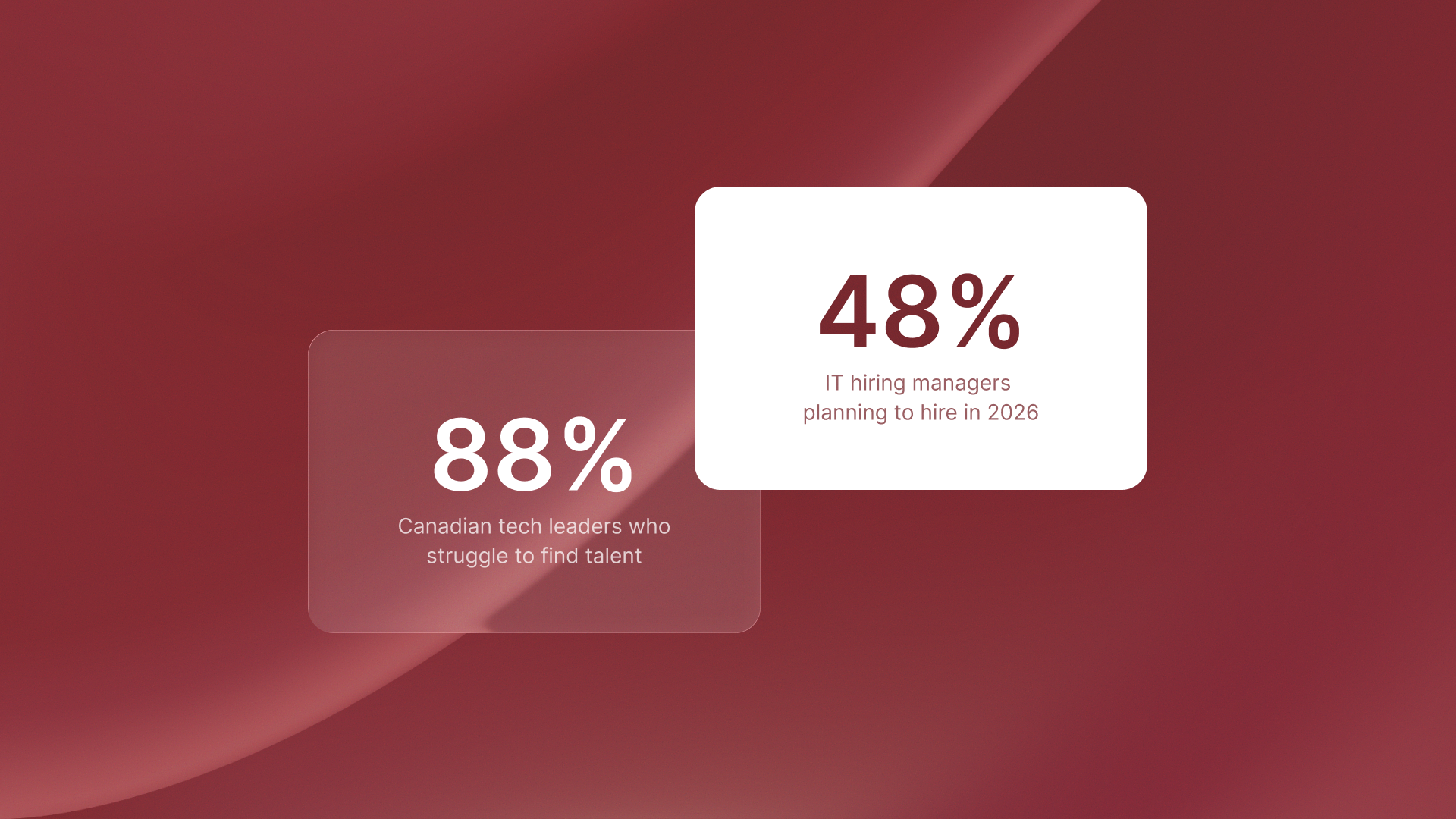
The U.S. DevOps talent market is broken. I have been watching founders spend months struggling to fill critical infrastructure roles, only to settle for overpriced generalists who lack deep cloud security expertise. Salaries have reached levels that can cripple the runway of a scaling startup. Meanwhile, elite engineering talent in Toronto and Vancouver is accessible at a significant salary discount. You just need to know how to navigate the local ecosystem.
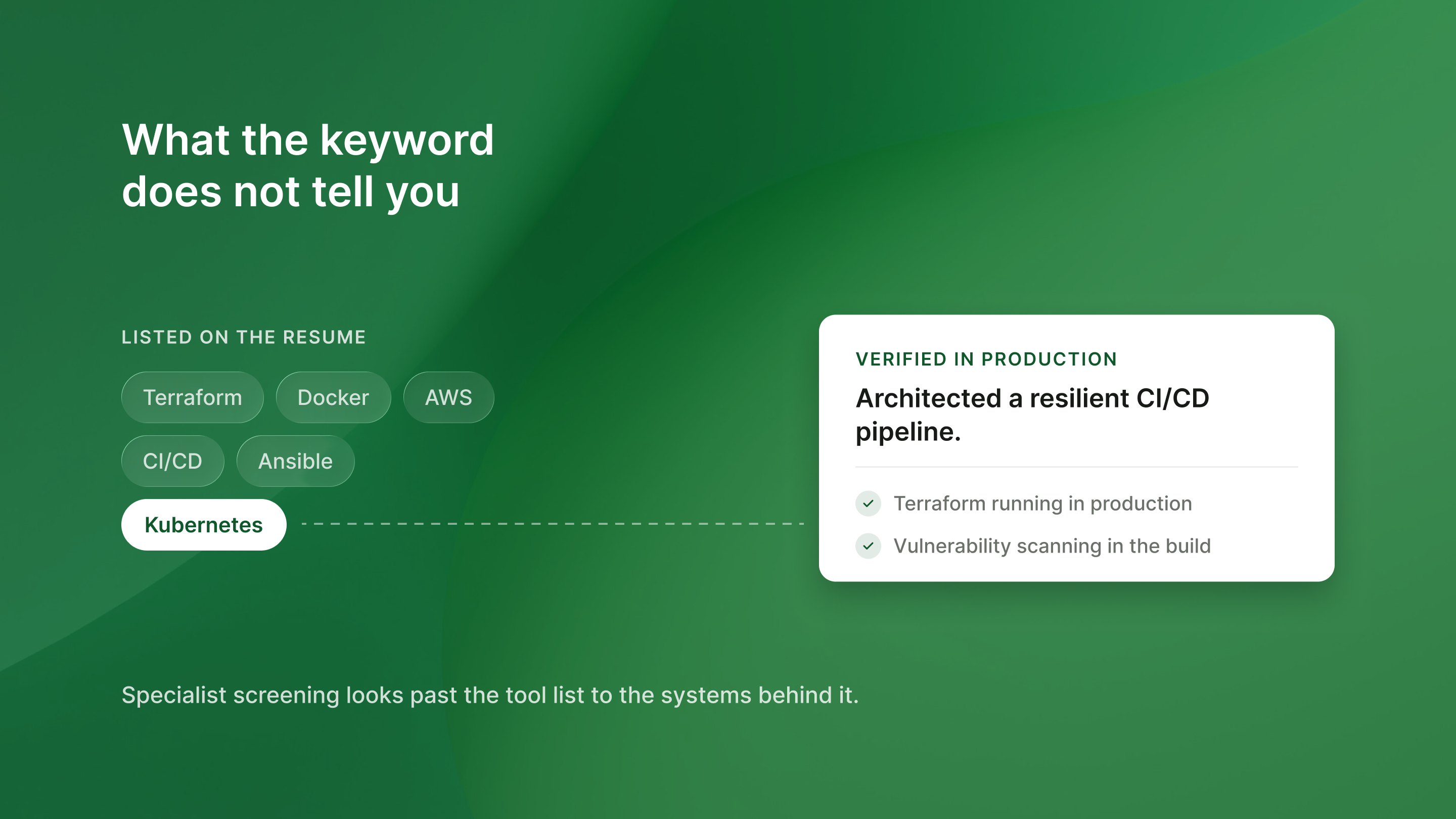
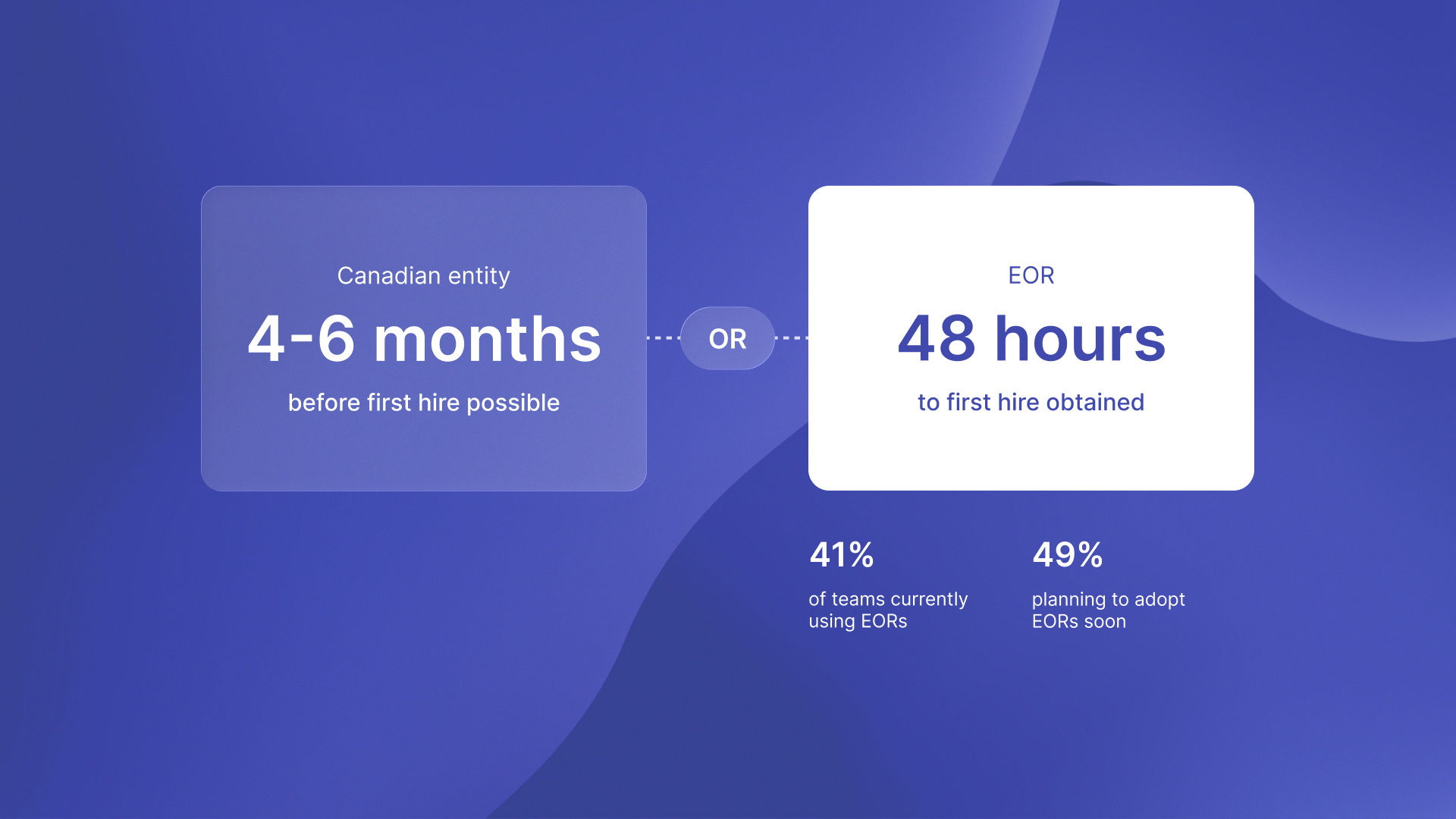
Many teams assume that global Employer of Record (EOR) platforms have solved remote hiring. I have found the opposite is true for specialized roles. Generalist platforms are excellent for payroll. However, they lack the technical depth needed to see the difference between a resume that lists "Kubernetes" and an engineer who can architect a resilient CI/CD pipeline. To scale efficiently, you need a specialized framework within a dedicated Canadian tech talent marketplace.
This framework should prioritize technical pillars over general software engineering buzzwords. This focus is most critical when hiring founding engineers who must possess the architectural range to own the entire stack from day one.
The DevOps scarcity: why generalist recruiting fails
DevOps hiring requires a specialized three-pillar evaluation. This goes far beyond standard software engineering screenings. I have seen companies waste thousands on "backend engineers" who struggle with infrastructure automation. A true DevOps specialist must be evaluated on their proficiency in infrastructure automation, CI/CD pipeline management, and cloud security. Failing to prioritize these three pillars leads to systems that are fragile and difficult to scale. When you decide to hire a DevOps engineer in Canada, these technical evaluations become the foundation of your success.
Treating these roles as replaceable commodities is a mistake. Just as the transition toward modern QA roles reflects a promotion of the function rather than its replacement, DevOps requires a strategic shift in how we value quality and stability. Proper QA engineer recruitment Canada protocols ensure that testing is integrated into the DevOps lifecycle rather than siloed. The resume was real;the experience wasn't—that is the risk you face without a specialized filter.
The three-pillar technical requirement
Technical competency in this field is not just about writing code. It is about understanding how with the underlying infrastructure. A high-quality candidate demonstrates deep knowledge of Infrastructure as container orchestration. In my experience, the best hires view security as a fundamental component of the deployment process, not an afterthought.
Beyond the Kubernetes buzzword
It is easy for candidates to add trending tools to their LinkedIn profiles. However, successful DevOps hires require technical competency in Kubernetes and Terraform paired with collaborative problem-solving skills. Soft skills act as a force multiplier in remote roles. DevOps sits at the intersection of development and operations.
Because of this, the ability to communicate cross-functionally is just as critical as the ability to debug a cluster. One of our portfolio teams found that engineers who could bridge this communication gap reduced deployment bottlenecks much faster than those who worked alone. Without this cultural alignment, teams frequently underestimate hidden management overhead and the resulting budgetary creep that occurs when technical friction persists. When expanding your search, focusing on backend engineer hiring Canada strategies can help fill the gap between raw infrastructure and feature development.
Canadian tech hub comparison
The Canadian hub advantage: Toronto vs. Vancouver
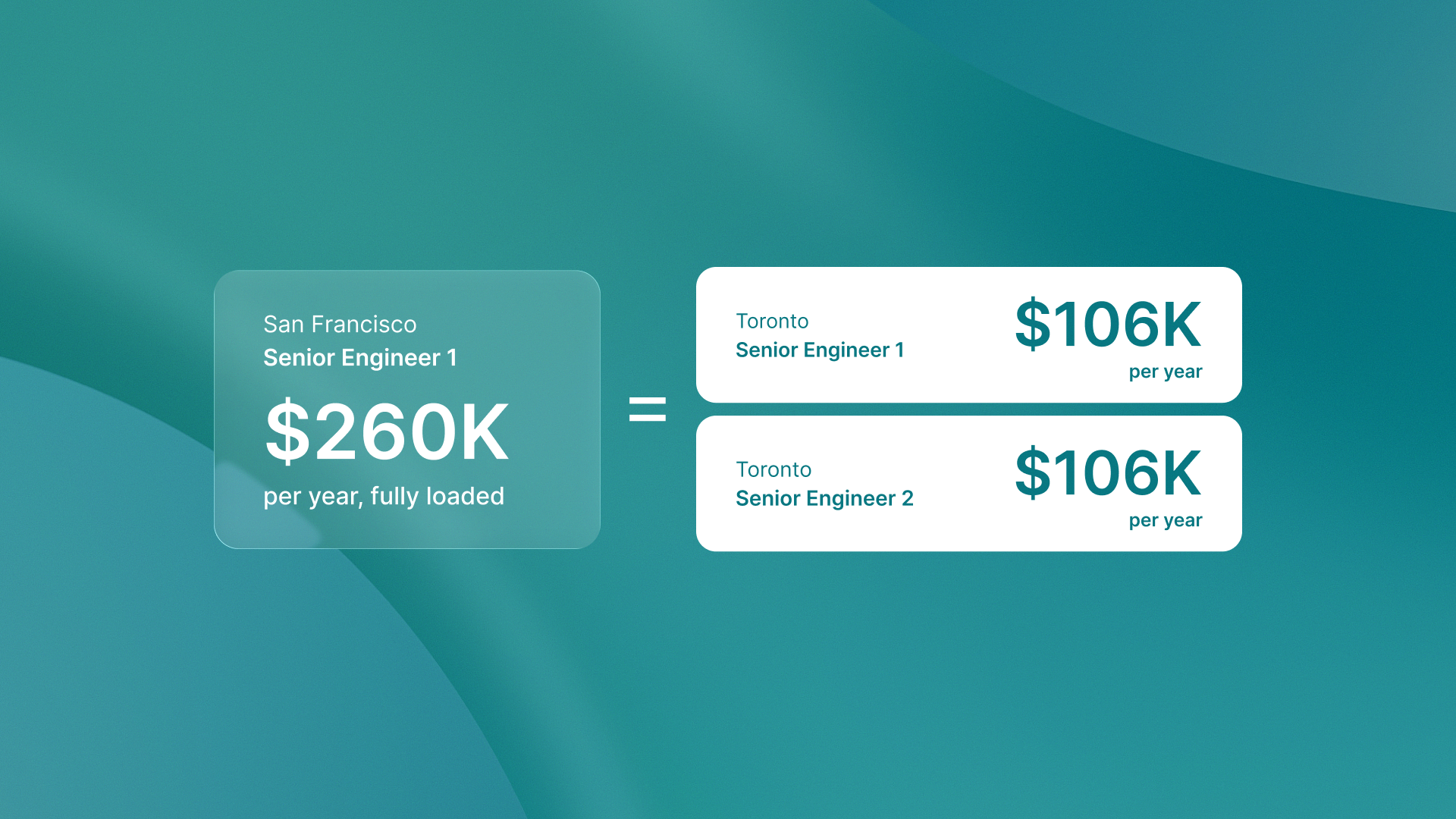
Concentrating your search in Canadian hubs allows U.S. firms to tap into mature ecosystems. This strategy offers better talent density than a broad, global search while providing fiscal advantages. While a San Francisco DevOps salary can exceed $260k, Canadian hubs offer comparable expertise for a fraction of the cost. Utilizing professional software engineering recruitment Canada services can further streamline this transition.
- Toronto ecosystem: Home to a massive concentration of financial tech and SaaS talent, offering deep experience in high-compliance environments.
- Vancouver tech scene: Provides perfect timezone alignment with Silicon Valley and a strong community of engineers from global tech giants.
- Provincial tax incentives: Many regions offer credits for technical research and development, further lowering the fully-loaded cost of a senior engineer.
- Timezone synergy: Unlike offshore teams, Canadian engineers work your hours, eliminating the coordination overhead that kills sprint velocity.
Evaluating the 'passive' candidate: a DevOps checklist
To secure top-tier talent, you must look beyond active job seekers. The best engineers are often passive candidates. They require a specialized approach to recruit. Use this checklist to evaluate potential hires:
- Infrastructure as : Can they demonstrate experience with Terraform or Pulumi in a production environment?
- Security-first CI/CD pipelines: Do they integrate automated vulnerability scanning into the build process?
- Communication for remote-first teams: Can they explain complex infrastructure changes to a non-technical stakeholder clearly?
- Cloud-native architecture: Do they understand the trade-offs between different cloud provider services and serverless options?
The Shoreline difference: specialized search vs. global breadth
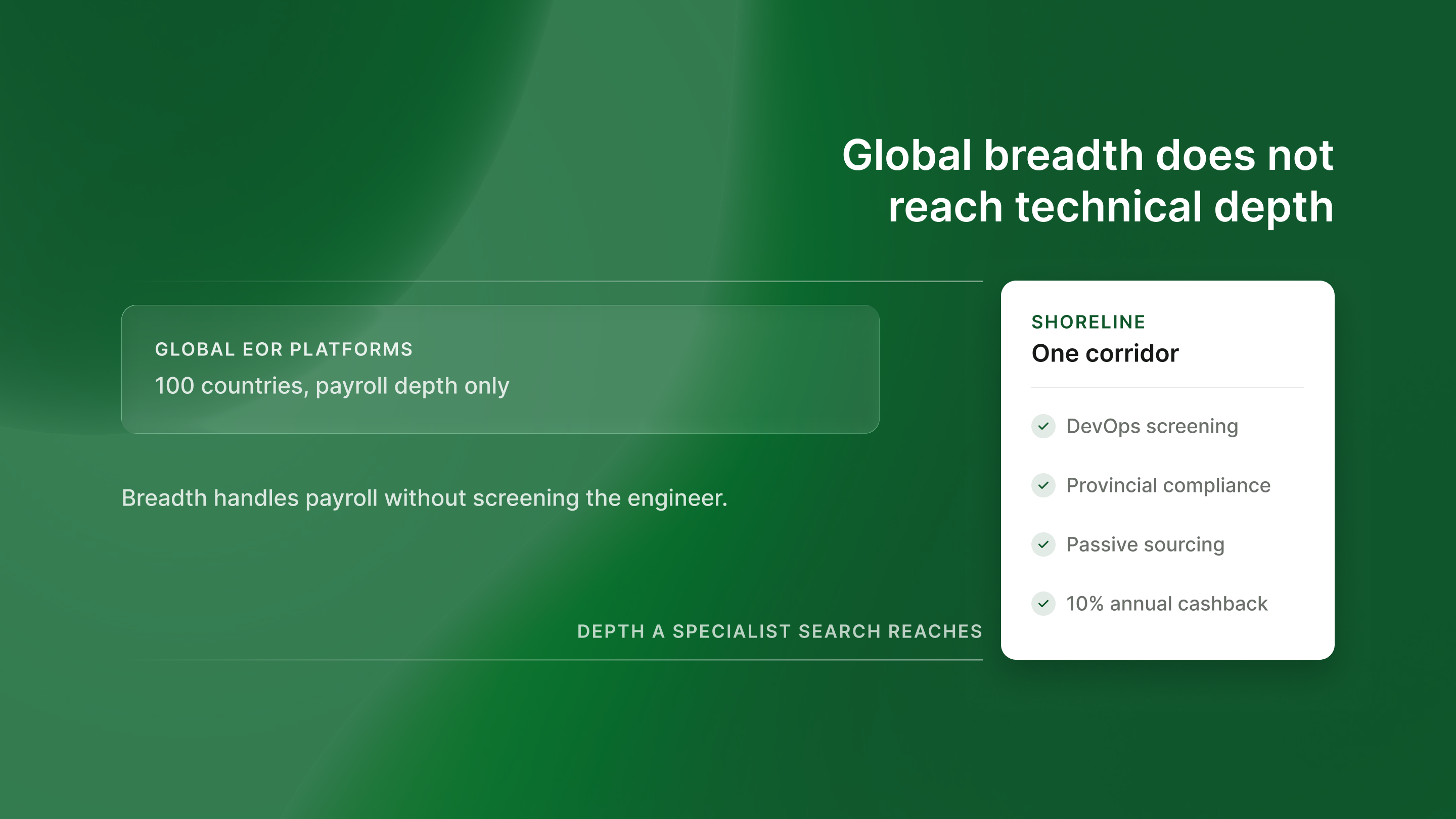
Generalist EOR platforms offer breadth, but they rarely offer depth in the Canadian market. When you are hiring for a role as critical as DevOps, you cannot rely on a database of generalists. Leveraging a specialized Canadian EOR allows you to find engineers who were not even looking for new roles while earning 10% annual cashback on eligible tech hires.
This nearshore hiring model identifies elite performers while handling local compliance requirements seamlessly. This approach allows you to focus on building your product while the complexities of local payroll, provincial taxes, and labor laws are managed by experts.
What to do next
- Audit your current infrastructure needs to define the specific DevOps pillars required for your stack.
- Map regional hubs like Toronto or Vancouver to identify where your target talent currently congregates.
- Research hiring Canadian remote workers to understand the logistical advantages of timezone-aligned teams.
- Book a consultation to audit your current search strategy and identify arbitrage opportunities in Canada.
Secure the elite offshore talent your firm requires by submitting your application to partner with Shoreline today.

.png)


.png)




%2520(8).png)