
Pay Developers by Credit Card: Simplify Tech Payroll


TL;DR
- You can pay developers by credit card through an Employer of Record to bypass ten day bank wire delays.
- This funding model extends your accounts payable cycle by 30 days to keep cash in your bank account longer.
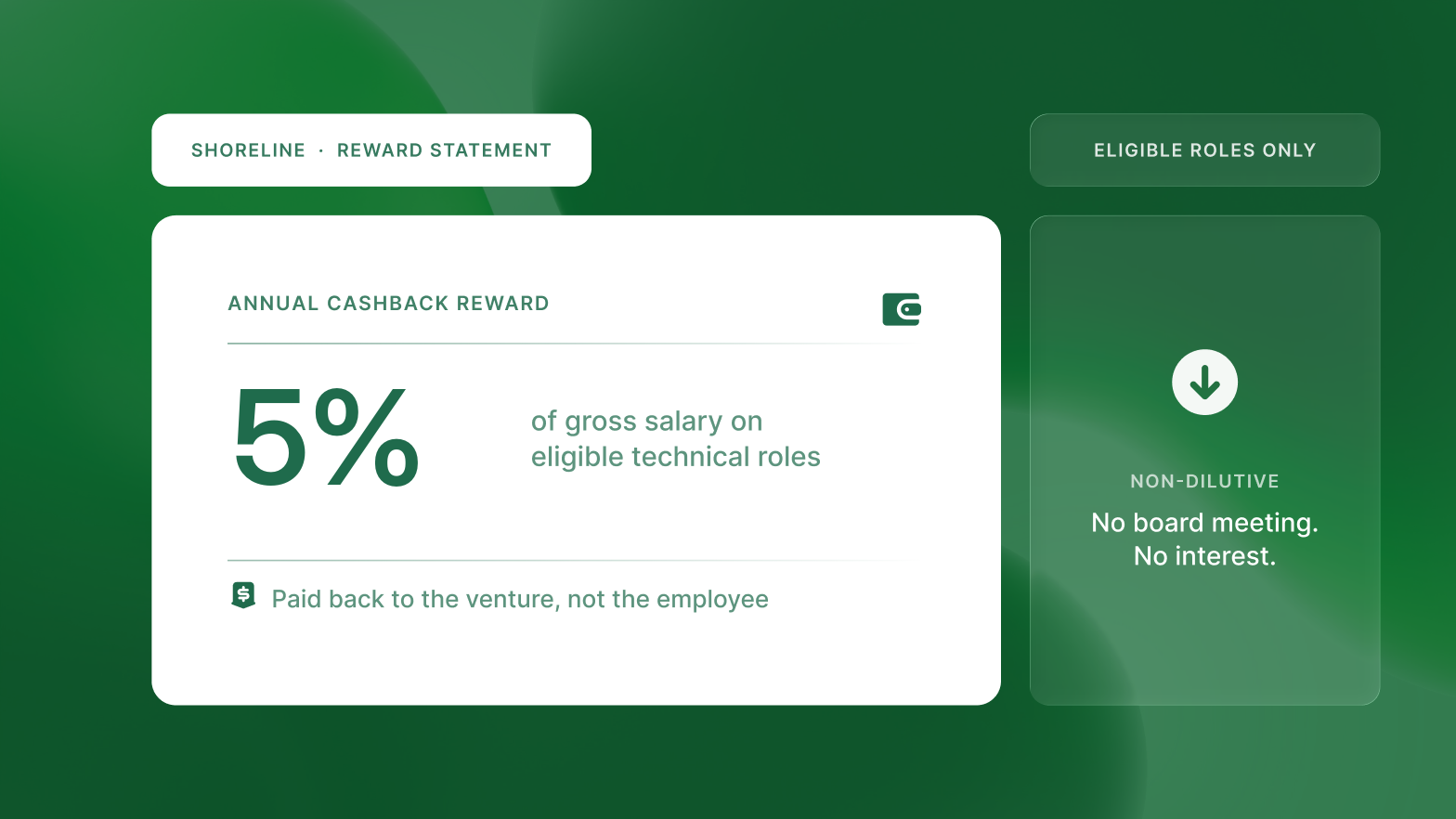
- Shoreline gives you 5% cashback at the end of the year on every technical hire you make through them.
- The system automates reconciliation by syncing transaction data directly with accounting software like QuickBooks or Xero.
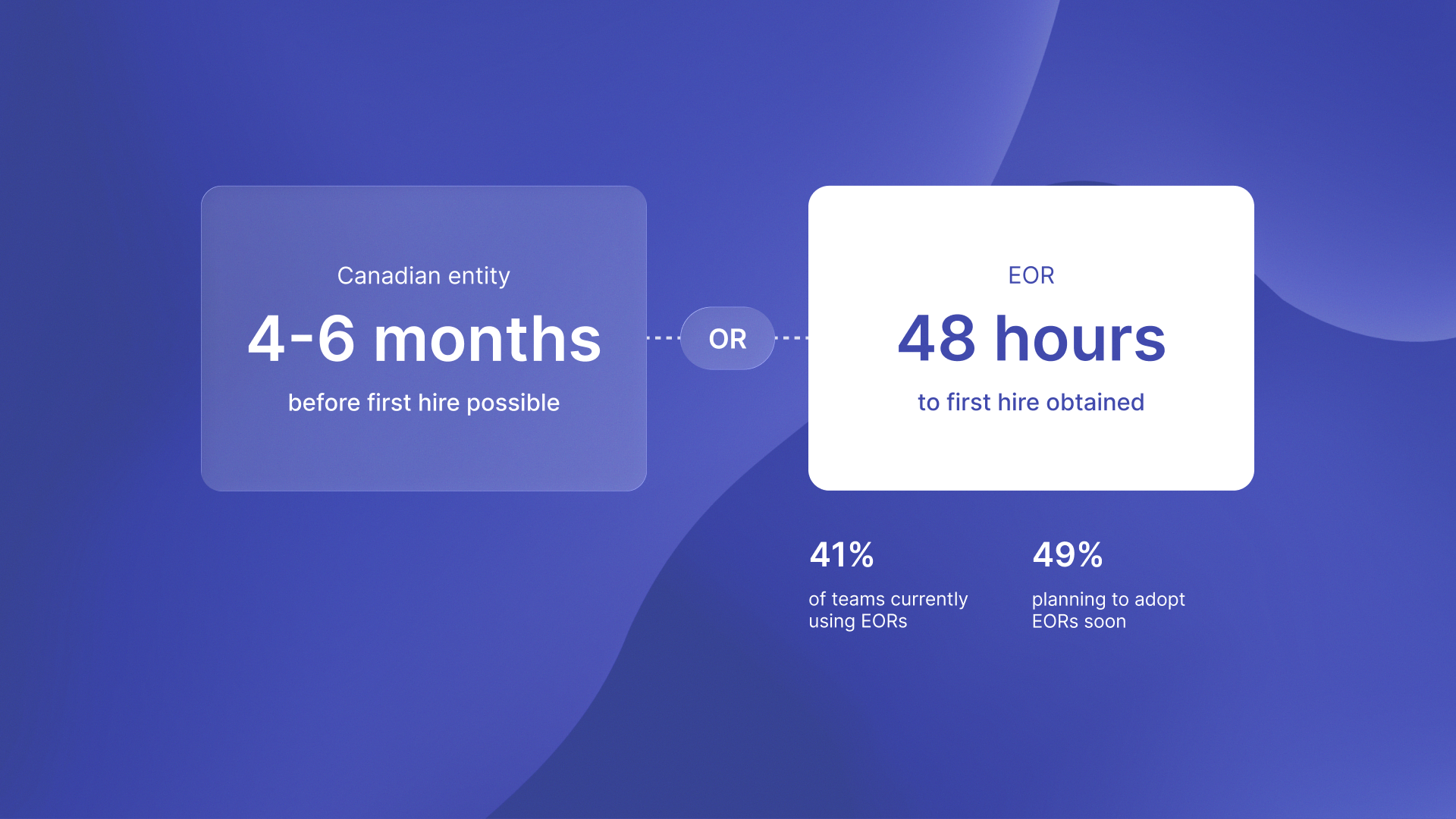
- Credit card funding allows startups to onboard new international hires in under 48 hours to maintain sprint goals.
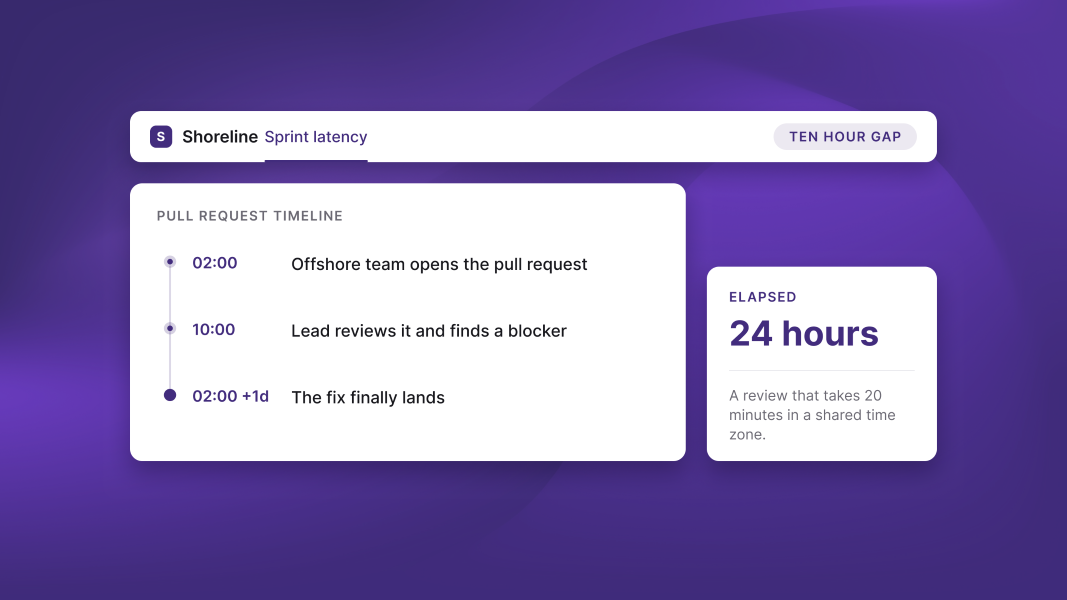
I was talking with a founder last week who almost lost a lead backend hire because his bank needed ten days to verify a new international wire recipient. In growth mode, that kind of latency is lethal. The burn rate crisis is real. The bottleneck is administrative. I have found that using a corporate card to fund developer compensation turns a slow hurdle into a strategic financial advantage. It allows you to bypass the long delays of traditional wires and hire developers immediately to maintain sprint goals.
The liquidity advantage of credit card payroll
Bridging the cash flow gap
The primary bottleneck for scaling technical teams is often the timing of capital. I analyzed the payroll cycles of several venture-backed firms and the math is simple: traditional banking is too slow for high-velocity hiring. An Employer of Record (EOR) for technical teams allows businesses to use corporate cards to fund payroll, creating a vital bridge when venture capital tranches are in transit. This model is particularly effective when deciding between fractional and full-time hiring, as it allows for immediate commitment without immediate cash depletion.
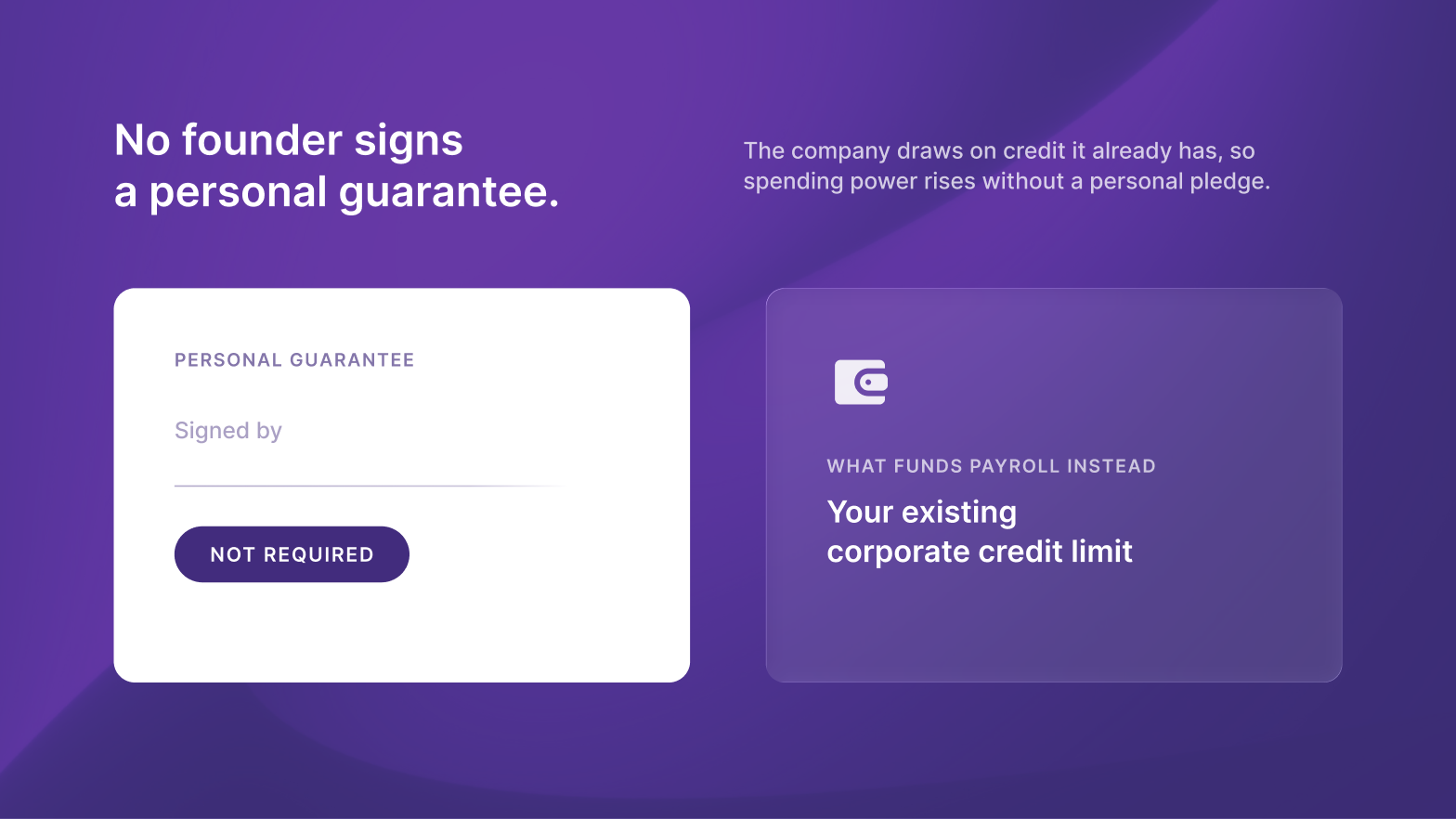
This integrated funding system increases spending power without requiring personal guarantees from founders. It provides a liquidity safety net that traditional bank wires cannot match. When a startup uses these platforms, the EOR handles the compliant payment while the company uses its existing credit limits. This setup is effective for small-to-mid-sized firms that need to manage runway tightly. By using a credit card, you are effectively extending your accounts payable cycle by 30 days. You keep cash in your bank account longer while ensuring your engineering team is paid on time.
Cashback and rewards arbitrage
Protecting runway means getting the most out of every dollar you spend. Most corporate cards used to fund payroll earn up to 2% cashback. Shoreline adds more on top: when you hire a technical employee through Shoreline, you get 5% cashback at the end of the year. On a technical payroll of $100,000 a month, that’s $60,000 back at year end, money you can put straight back into your engineering budget.
Beyond simple cashback, these systems offer automated reconciliation with accounting software like QuickBooks and Xero. Integrated EOR platforms eliminate manual tagging of cross-border transfers by syncing transaction data. A robust automated financial reporting structure ensures that data integrity is maintained across multi-entity operations even when using credit funding. You gain rewards and reclaim hours of leadership time through cash reconciliation automation.
Comparing funding models: credit cards vs. bank transfers
Funding model comparison
Security and compliance in the payment stack
AI fraud protection and security
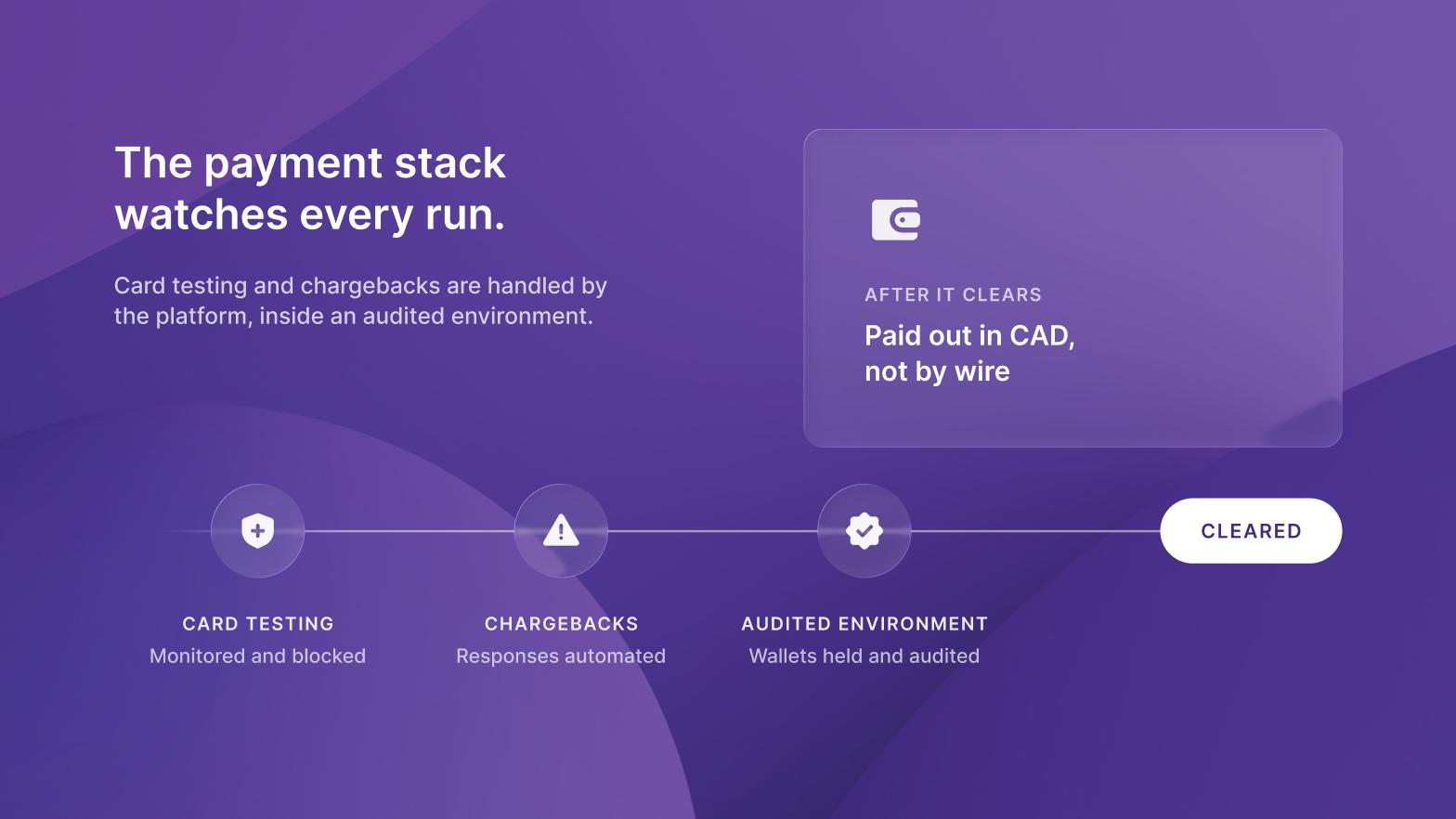
Security requirements change fast as a team grows. I have observed that major payment platforms use AI-powered fraud detection to monitor for credit card testing and automate chargeback responses for enterprise funders. This level of protection is built into the modern payment stack to ensure high-volume payroll transactions are shielded from malicious activity. By moving away from outdated EPM systems, firms maintain better visibility over digital transactions. Real-time visibility is critical because revenue recognition at scale requires an automated pipeline for system reconciliation.
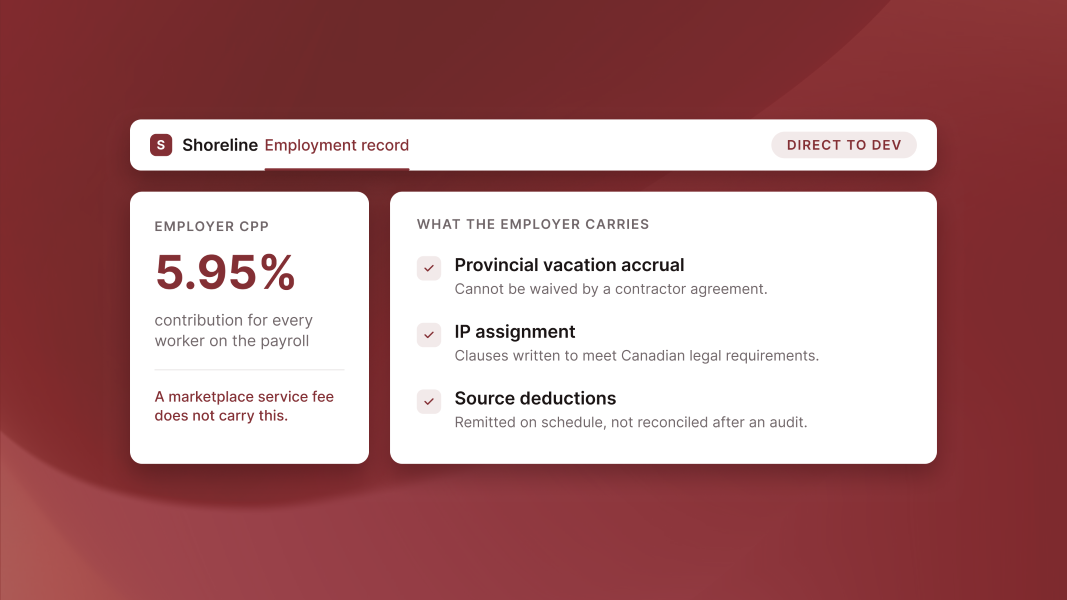
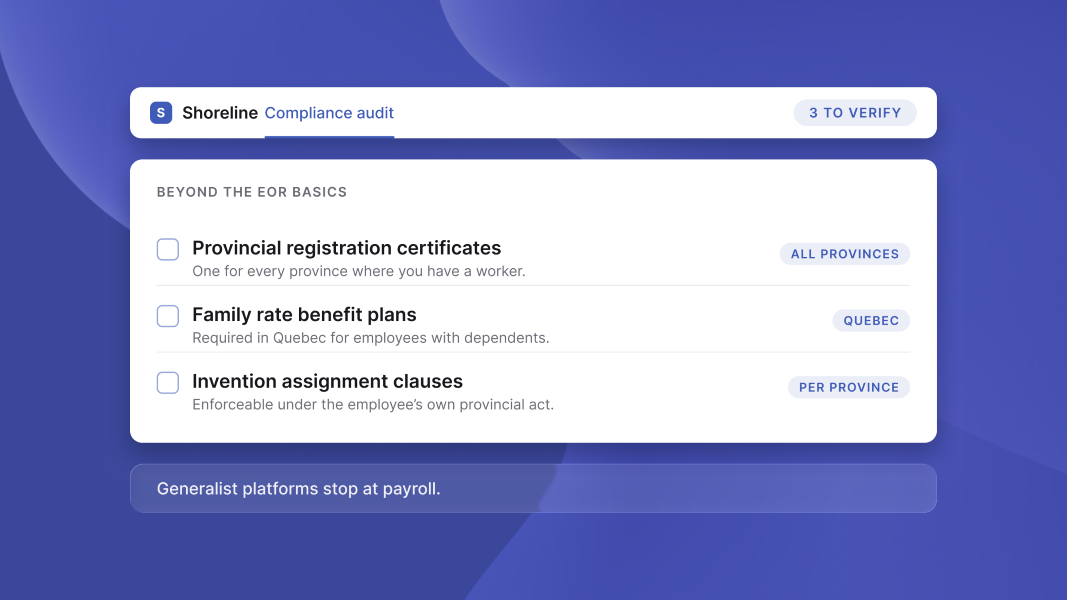
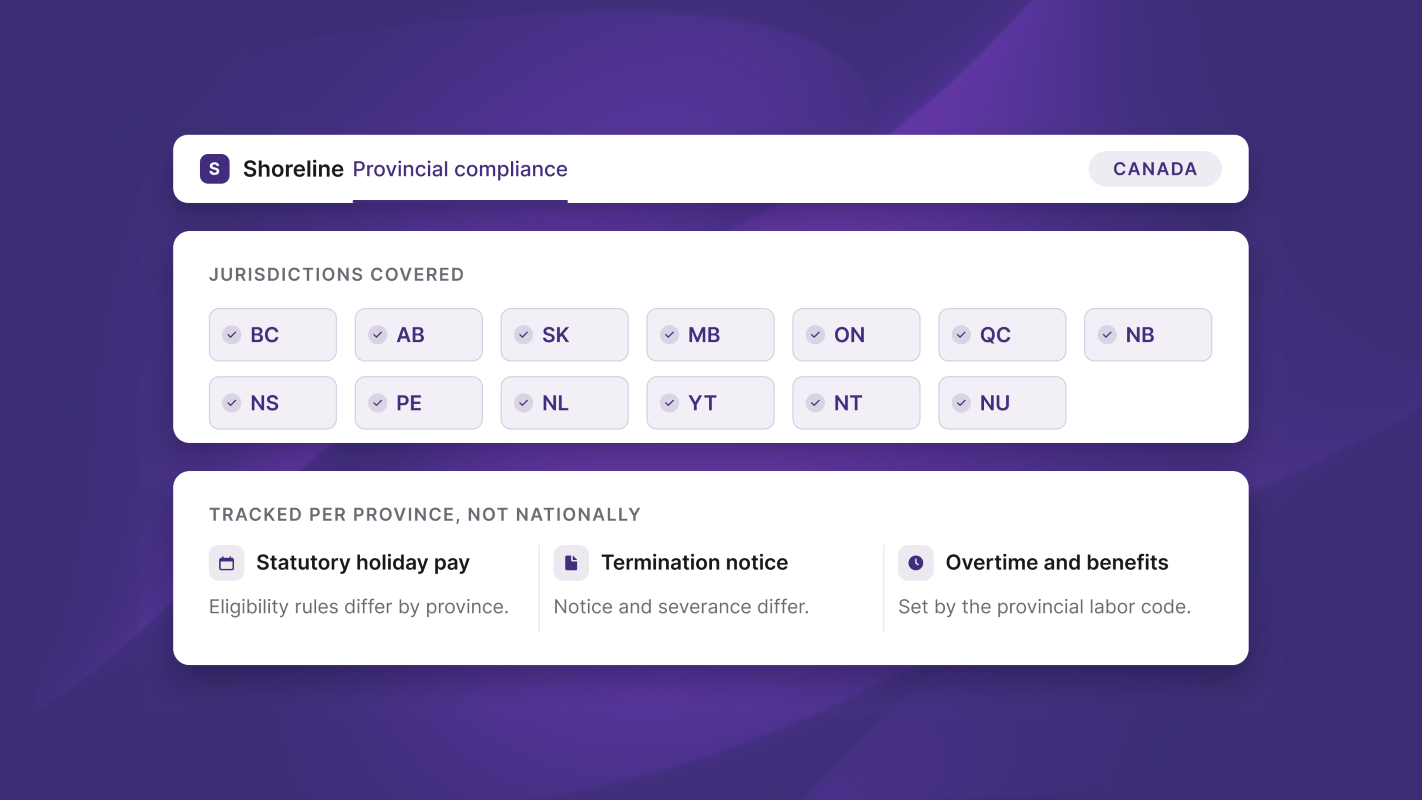
When you hire through a specialized partner, compliance and security are part of the infrastructure. The platform acts as a buffer, ensuring that multi-currency wallets and native Mastercard access for employees are managed within a secure, audited environment. This reduces the risk of payment failure and ensures that intellectual property assignment remains intact because the financial relationship is formal and transparent. You must still remain aware of employment regulations to avoid statutory holiday and termination risks.
Unit economics of EOR funding
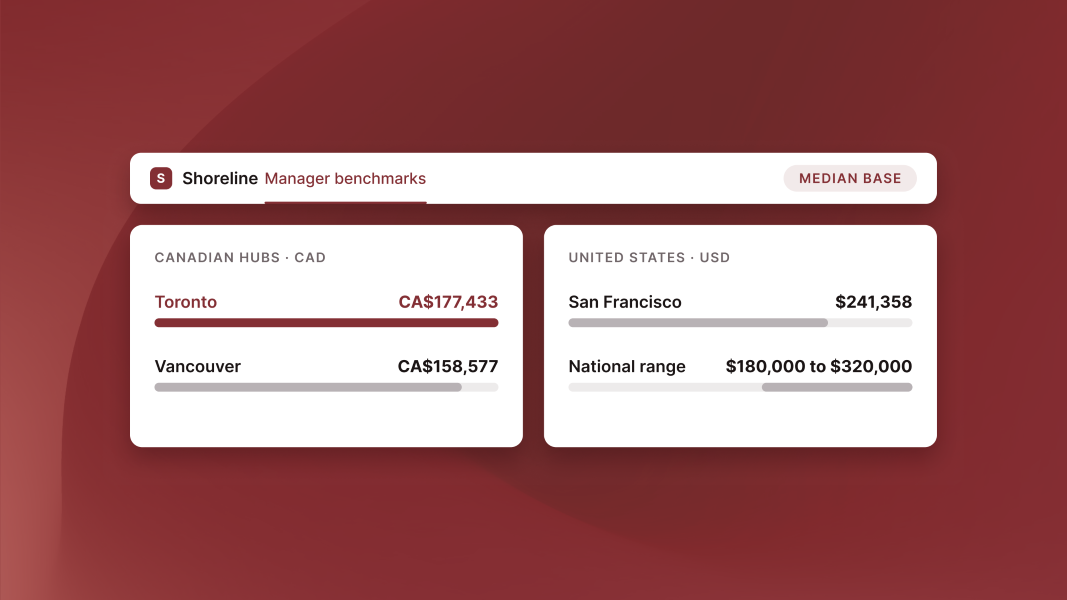
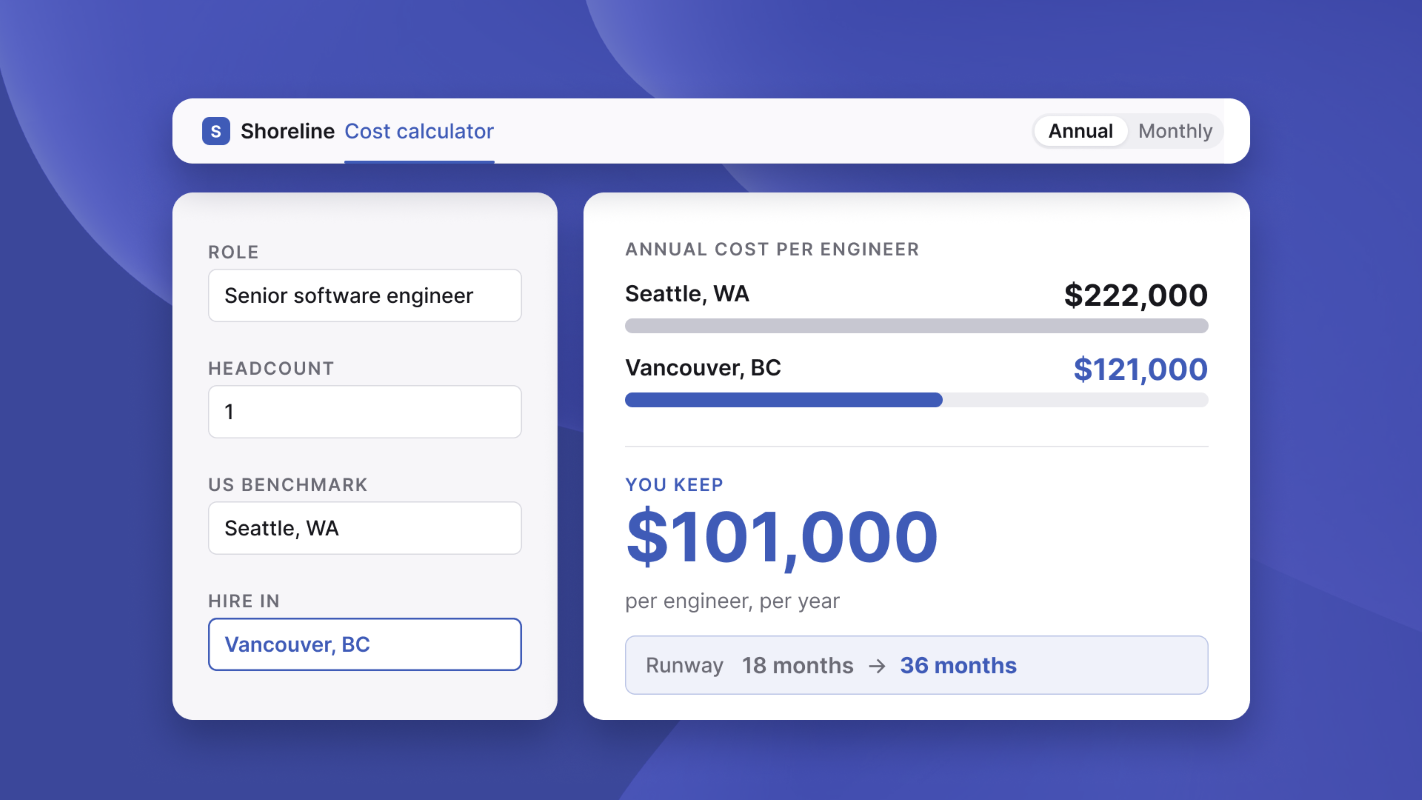
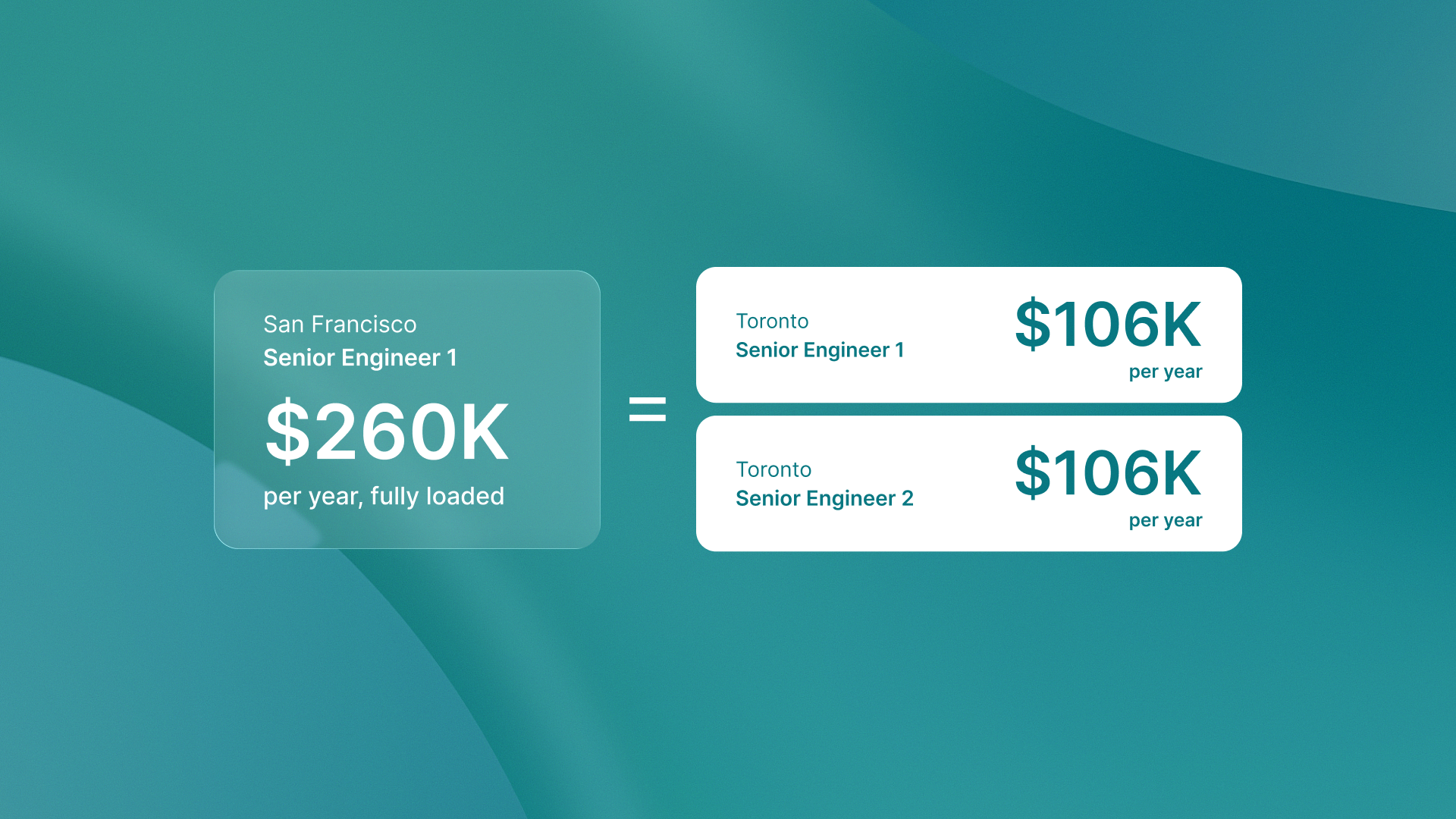
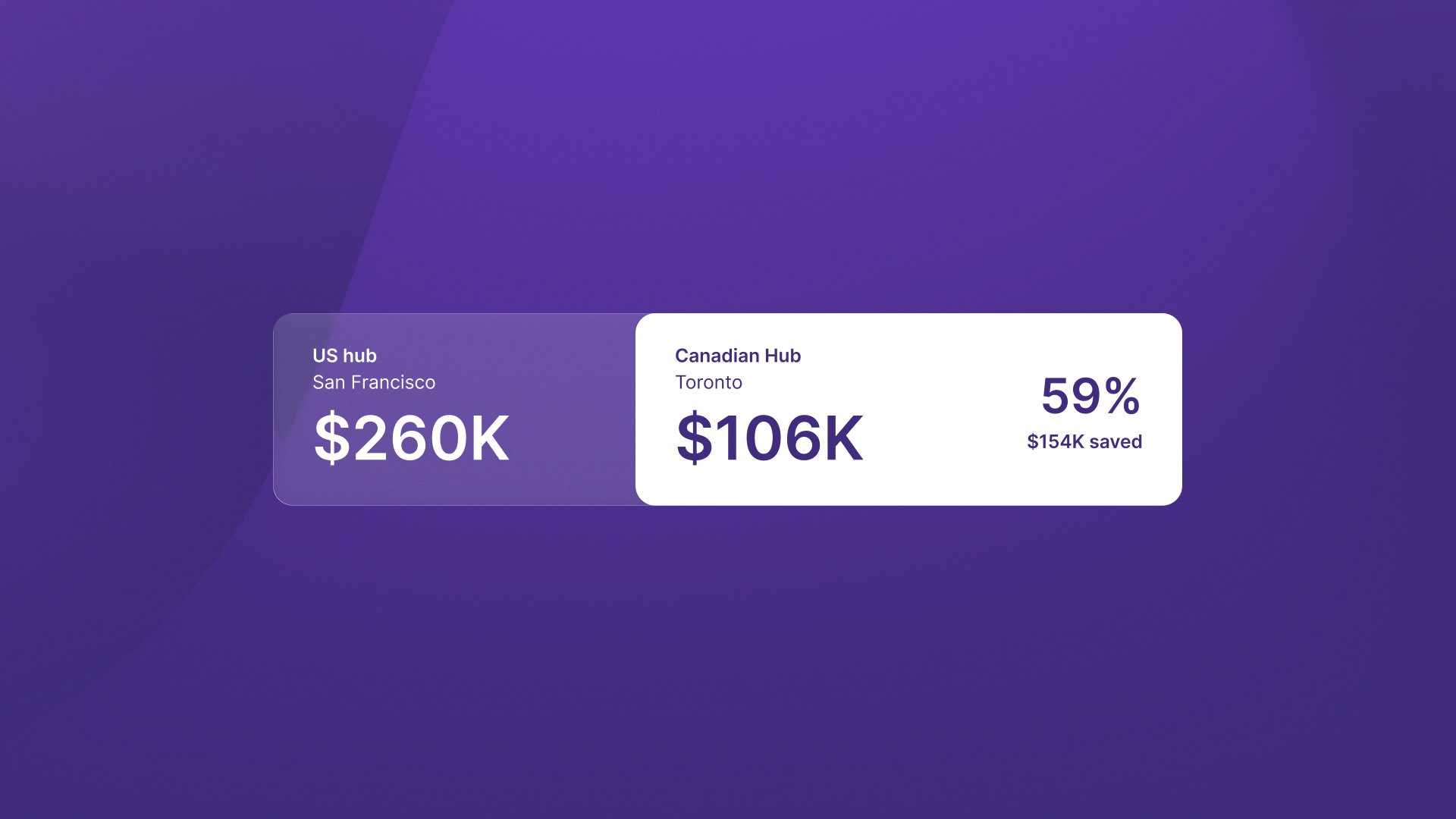
Flat-rate EOR payroll funding via credit card is typically cheaper than factoring, even when accounting for the standard processing costs and service charges. Modern cross-border payroll solutions provide a way for venture-backed startups to scale a team in days. The Canadian tech salary gap already provides a 40% structural advantage. This efficiency is amplified when using a founding engineer hiring playbook that prioritizes equity and nearshore arbitrage, especially for senior software engineers who offer high capital efficiency. Transitioning core developers to a formal Employer of Record model is the most effective way to ensure tax compliance and protect your technical core.
What to do next
- Audit your current international payment terms to identify the total cost of FX markups and wire fees.
- Verify that your corporate credit card allows for payroll funding without being classified as a cash advance.
- Integrate your EOR platform with QuickBooks or Xero to automate the reconciliation of monthly developer invoices.
- Schedule a recurring review of cashback rewards to ensure they are being reinvested into your engineering budget.
Ready to hire your next developer without the wire-transfer wait? Shoreline helps founders and CTOs find, hire, and pay top technical talent, fast. And when you hire a technical employee through Shoreline, you get 5% cashback at the end of the year. It’s money that goes straight back into your engineering budget.